Misis Blog – For Moms and Dads

facebook google twitter tumblr instagram linkedin
  • Home
  • FAMILY THREE
  • MOMMY TALK
    • HOME & LIVING
    • MARRIAGE
    • PREGNANCY
    • MOTHERHOOD
  • BABY TALK
    • BABY CARE
    • PARENTING
    • BREASTFEEDING
  • MONEY TALK
    • CAREER
    • BUDGET
  • ABOUT
  • PRIVACY POLICY
  • CONTACT

Lactation nutrition 

You are a new mom and you don't know what you should eat and what you shouldn't eat? You must read this article and you will find all the information you need to know. 

Foods that increase breast milk

While there's no magic "superfood" guaranteed to increase breast milk production, certain dietary choices can support healthy milk supply. Here are some key points to remember:

Focus on overall diet, not individual foods: Aim for a well-balanced diet rich in fruits, vegetables, whole grains, lean protein, and healthy fats. Instead of obsessing over specific "milk-boosting" foods, prioritize a diverse and nutritious diet to provide your body with the building blocks it needs for milk production.

Stay hydrated: Water is essential for overall health and milk production. Aim for 8-10 glasses of water per day, and adjust based on your individual needs and activity level.

Respond to your body's cues: Eat intuitively and nourish yourself adequately throughout the day. Don't wait until you're starving to eat, as this can affect your milk supply.

Seek professional guidance: If you have concerns about your milk supply, consult a lactation consultant or healthcare professional. They can personalize recommendations based on your individual situation and offer support for breastfeeding challenges.

Best food to increase milk

Oats: A good source of fiber and beta-glucan, which may support milk production. Enjoy oatmeal, porridge, or baked goods made with oats.

Fenugreek: Traditionally used to increase milk supply, but research is inconclusive. Consult a healthcare professional before consuming due to potential side effects.

Brewer's yeast: Rich in B vitamins and may support lactation, but evidence is limited. Consider incorporating it into smoothies or baked goods in moderation.

Garlic, ginger, and fennel: Some believe these herbs and spices may promote milk production, but research is lacking. Experiment cautiously and monitor for any baby sensitivities.

Healthy fats: Include healthy fats from sources like nuts, seeds, avocados, and olive oil. These are essential for milk production and provide valuable nutrients for your baby.

m lactation consultants, support groups, or healthcare professionals if you face breastfeeding challenges.

Coffee and lactation 

The relationship between coffee and lactation is a complex one, with no simple answer. While moderate coffee consumption is generally considered safe for breastfeeding mothers, it's important to understand the potential effects and make informed choices based on your individual situation and your baby's sensitivity.

Here's a breakdown of what you need to consider:

Potential effects of caffeine on breast milk:

Caffeine does pass into breast milk. The amount depends on various factors like your caffeine intake, metabolism, and milk production.

Babies are more sensitive to caffeine than adults. It can affect their sleep patterns, irritability, and fussiness.

Excess caffeine intake can also decrease milk supply.

The American Academy of Pediatrics (AAP) considers moderate caffeine intake, around 300mg per day (approximately 2-3 cups of brewed coffee), to be safe for breastfeeding mothers.

However, it's crucial to monitor your baby's response. If you notice changes in their sleep, feeding patterns, or behavior after you consume caffeine, consider reducing your intake or switching to decaf coffee.

Start with lower doses and gradually increase if tolerated.

Pay close attention to how your baby reacts.

Be mindful of other sources of caffeine. Chocolate, energy drinks, and some medications contain caffeine, so factor them into your total intake.

Choose water as your primary beverage. It stays hydrated and supports milk production.

Consult your doctor or a lactation consultant for personalized advice.** They can consider your individual circumstances and provide guidance based on your baby's specific needs. 

Breastfeeding guidelines

Breastfeeding guidelines can vary depending on the specific concerns you have, but here's a general overview of some key recommendations:

Initiation and Frequency:

World Health Organization (WHO) and UNICEF recommend exclusive breastfeeding for the first 6 months of life, with continued breastfeeding alongside appropriate complementary foods up to 2 years of age or beyond.

Initiate breastfeeding within the first hour of birth. This promotes skin-to-skin contact and helps establish breastfeeding.

Breastfeed on demand, meaning as often as your baby wants, day and night. This helps meet their nutritional needs and establish milk supply.

Why is a lactation diet important 

A lactation diet, while not a specific set of rigid rules, emphasizes nutritional choices that support both milk production and the overall health of the mother and baby during breastfeeding. It's not about "eating for two" but rather prioritizing a balanced and varied diet to provide the essential nutrients needed for breastfeeding and your own well-being.

Here's why a healthy diet while breastfeeding is important:

For Milk Production:

Provides building blocks for breast milk: Your body uses nutrients from your diet to create breast milk for your baby. Adequate intake of protein, healthy fats, vitamins, and minerals is crucial for optimal milk composition and volume.

Improves milk quality: Essential nutrients contribute to the nutritional value of your breast milk, ensuring your baby receives everything they need for healthy growth and development.

Supports milk supply: Staying hydrated and consuming enough calories are key factors in maintaining a healthy milk supply.

For the Mother's Health:

Breastfeeding requires additional energy expenditure. A balanced diet helps you feel energized and sustain your physical demands.

Reduces nutrient deficiencies: Adequate nutrient intake prevents deficiencies that can impact your health and well-being during breastfeeding.

Promotes recovery: A healthy diet supports your body's healing and recovery after childbirth.

Maintains long-term health: Good nutrition during breastfeeding can contribute to your overall health and reduce the risk of chronic diseases in the future.

What foods to avoid breastfeeding 

While there's no need to completely eliminate specific foods while breastfeeding, some might affect your baby's digestion or cause fussiness. It's important to remember that every baby is different, and what affects one might not bother another. Here are some general guidelines:

Spicy foods: While occasional consumption is unlikely to cause problems, some babies may develop gassiness or fussiness if you eat spicy foods regularly. Start with small amounts and observe your baby's reaction.

Gassy vegetables: Broccoli, cabbage, onions, and beans can contribute to gas in both you and your baby. Introduce them gradually and monitor your baby's response.

Citrus fruits: While rich in vitamin C, they can sometimes cause diaper rash or fussiness in some babies. Introduce them cautiously and watch for any changes.

Dairy products: If your baby has a dairy allergy or intolerance, avoid dairy products like milk, cheese, and yogurt in your diet. Consult your doctor if you suspect a dairy sensitivity.

Caffeine: Moderate caffeine intake (around 300mg per day) is generally considered safe, but monitor your baby's sleep and irritability. Consider switching to decaf coffee or limiting your intake.

Alcohol: Alcohol passes through breast milk and can affect your baby's development and sleep. It's best to avoid alcohol altogether while breastfeeding.


January 28, 2024 No comments

Nutrition in pregnancy 

Nutrition in pregnancy is a very important topic we must discuss . You will have a baby soon, congrats! But now you must be aware of your health, your baby will grow up from your health, so you must eat well. 

But what should I eat when I am pregnant?! 

To maintain a healthy pregnancy, approximately 300 extra calories are needed each day. These calories must come from vegetables, fruits, protein, carbohydrates and sweets.

A well balanced diet can help to reduce the symptoms of pregnancy like constipation and nausea. 

Definition of nutrition in pregnancy 

In the context of pregnancy, nutrition refers to the consumption and utilization of food and nutrients that directly impact the health and well-being of both the mother and the developing baby. It encompasses the intake of essential dietary components like carbohydrates, proteins, fats, vitamins, minerals, and water, and how these components are used by the body.

Important of nutrition during pregnancy 

During pregnancy, your body undergoes significant changes to support the growth and development of your baby.

Proper nutrition plays a crucial role in ensuring a healthy pregnancy for both you and your baby. Here's why nutrition is so important:

Benefits for the baby:

Healthy fetal development:Proper nutrition provides the essential nutrients like protein, vitamins, minerals, and healthy fats necessary for your baby's organ development, brain growth, and overall health. Deficiencies in these nutrients can lead to birth defects, low birth weight, and other complications.

Reduces the risk of chronic diseases: Good nutrition during pregnancy can help reduce the baby's risk of developing chronic diseases like obesity, diabetes, and heart disease later in life.

Stronger immune system: A balanced diet supports the development of your baby's immune system, making them less susceptible to infections and illnesses.

Benefits for the mother:

Reduces pregnancy complications: Proper nutrition can help reduce the risk of pregnancy complications like gestational diabetes, preeclampsia, and preterm birth.

Increased energy levels: Eating a healthy diet provides your body with the energy it needs to cope with the physical demands of pregnancy.

Improved mood and well-being: Balanced nutrition can contribute to better emotional well-being, reducing the risk of pregnancy-related depression and anxiety.

Easier postpartum recovery: Proper nutrition during pregnancy can help you recover faster and regain your strength after childbirth.

What is the most important food for pregnant woman

The following foods are beneficial to your health and fetal development during pregnancy:

Vegetables: carrots, sweet potatoes, pumpkin, spinach, cooked greens, tomatoes and red sweet peppers (for vitamin A and potassium)

Fruits: cantaloupe, honeydew, mangoes, prunes, bananas, apricots, oranges, and red or pink grapefruit (for potassium)

Dairy: fat-free or low-fat yogurt, skim or 1% milk, soymilk (for calcium, potassium, vitamins A and D)

Grains: ready-to-eat cereals/cooked cereals (for iron and folic acid)

Proteins: beans and peas; nuts and seeds; lean beef, lamb and pork; salmon, trout, herring, sardines and pollock.

What to drink during pregnancy 

During pregnancy, staying hydrated is crucial for both your health and your baby's development. But what exactly should you be drinking? Here's a breakdown of the best and worst choices:

Best Drinks for Pregnant Women:

Water: The clear winner, water is essential for hydration, nutrient absorption, and overall well-being. Aim for 8-10 glasses per day.

Milk and fortified plant-based milks: Provide calcium, vitamin D, and other essential nutrients for you and your baby. Opt for low-fat or fat-free options.

Unsweetened herbal teas: Can offer relaxation and additional nutrients depending on the tea. Choose pregnancy-safe options like chamomile, ginger, or peppermint.

Freshly squeezed fruit juices in moderation: Provide vitamins and antioxidants, but limit intake due to their high sugar content. Dilute with water if desired.

Clear broths: Can be hydrating and provide some electrolytes, especially helpful if you're feeling unwell.

Drinks to Limit or Avoid:

Sugary drinks: Including sodas, sports drinks, and energy drinks. High in sugar and calories, offering little nutritional value.

Caffeine-containing drinks: Limit coffee and tea to 200mg of caffeine per day (about one 12-ounce cup of coffee). Avoid energy drinks and limit other sources like chocolate.

Alcohol: No amount of alcohol is considered safe during pregnancy. It can harm your baby's development.

Unpasteurized milk and juices: Can carry harmful bacteria that can be dangerous for you and your baby.

Herbal supplements and teas: Some herbs can be unsafe during pregnancy. Consult your doctor before consuming them.

Which fruit is best during pregnancy 

There isn't a single "best" fruit for pregnancy, as each fruit offers unique vitamins, minerals, and other beneficial nutrients. The key is to incorporate a variety of fruits into your diet to ensure you and your baby receive a wide range of essential nutrients. Here are some fruits particularly beneficial during pregnancy:

Fruits rich in folic acid:

Citrus fruits: Oranges, grapefruits, lemons, limes

Tropical fruits: Mangoes, papayas, kiwis

Berries: Strawberries, blueberries, raspberries, blackberries

Leafy green vegetables: Spinach, kale, collard greens (can be eaten cooked or in smoothies)

Fruits rich in vitamin C:

Citrus fruits: Oranges, grapefruits, lemons, limes

  • Kiwis

  • Papayas

  • Strawberries

  • Cantaloupe

Fruits rich in fiber:

Berries: Raspberries, blackberries

  • Pears

  • Apples

  • Guava

  • Figs

Fruits rich in potassium:

  • Bananas

  • Cantaloupe

  • Honeydew melon

  • Oranges

  • Grapefruit

Is coffee good for a pregnant woman 

The safety of coffee during pregnancy is a complex issue with no single definitive answer. While moderate amounts of coffee may be considered safe for some, it's essential to weigh the potential risks and benefits and ultimately make an informed decision with your doctor's guidance.

Here's a breakdown of what you need to consider:

Potential Risks:

Caffeine can cross the placenta and reach the developing baby. High caffeine intake has been linked to an increased risk of miscarriage, low birth weight, and other complications.

Caffeine can also affect sleep patterns and anxiety levels in both the mother and the baby.

Potential Benefits

Some studies suggest that moderate coffee consumption (less than 200mg per day) may not significantly increase the risk of pregnancy complications.

Coffee can provide beneficial antioxidants and nutrients.

The American College of Obstetricians and Gynecologists (ACOG) recommends limiting caffeine intake to less than 200mg per day during pregnancy.** This is roughly equivalent to one 12-ounce cup of coffee, two 8-ounce cups of tea, or a 16-ounce caffeinated soda.

It's important to listen to your body.** If you experience any negative side effects like anxiety, insomnia, or heartburn after consuming caffeine, it's best to avoid it or reduce your intake.

Consult your doctor for personalized advice.

Which protein is best for pregnancy 

Rather than focusing on a single "best" protein for pregnancy, it's important to incorporate a variety of protein sources into your diet to ensure you and your baby receive a broad spectrum of essential amino acids needed for optimal development. Here are some excellent protein options for pregnant women:

Animal Sources:

Lean meats: Chicken breast, turkey breast, lean beef cuts, pork tenderloin. Good sources of iron, zinc, and B vitamins.

Fish and seafood: Salmon, tuna, sardines, shrimp, oysters. Rich in omega-3 fatty acids, crucial for brain development.

Eggs: Provide complete protein, choline, and other beneficial nutrients. Choose pasteurized options.

Dairy products: Milk, yogurt, cheese. Offer calcium, vitamin D, and protein. Opt for low-fat or fat-free choices.

Plant-Based Sources

Beans and lentils: Excellent sources of fiber, protein, and folate. Kidney beans, chickpeas, black beans, and lentils are popular choices.

Tofu and tempeh: Soy-based products providing complete protein, iron, and calcium. Choose minimally processed options.

Nuts and seeds: Almonds, walnuts, chia seeds, and hemp seeds. Offer healthy fats, protein, and various micronutrients. Practice moderation due to calorie content.

Whole grains: Quinoa, brown rice, oats. Provide protein, fiber, and other essential nutrients. Choose whole grains over refined options.

January 26, 2024 No comments

Anger in children 

It's often difficult for parents to handle anger in children but by understanding why they actually do that. Anger in children is the result of children not knowing what to do to deal with their feelings. 

What triggers anger in a child? 

When a child becomes aggressive that means he met a big frustrated situation and he can't manage his feelings so he became angry. 

There are many things that can trigger anger in a child, as their emotional regulation skills are still developing and they may struggle to express their frustrations and anxieties in healthy ways. Here are some common triggers:

  • Frustration:

Not getting what they want: This is a huge one, from toddlers throwing tantrums over a denied cookie to teenagers getting upset if they can't go to a party. Feeling powerless and unable to control their situation can be very frustrating.

Difficulty with tasks: Whether it's struggling with schoolwork, tying their shoes, or losing at a game, difficulty can lead to frustration and anger, especially if the child feels pressure to succeed.

Changes in routine: Children thrive on routine, and disruptions can be unsettling. Unexpected changes in plans, new environments, or even just a different bedtime can all trigger anger.

  • Underlying emotions:

Fear or anxiety: Sometimes, anger is a mask for other emotions that children may not know how to express. Fear of something new or anxiety about a performance can manifest as anger, especially if the child feels overwhelmed.

Sadness or grief: Sadness and grief can also show up as anger, particularly if the child doesn't have the vocabulary or emotional intelligence to process these complex emotions.

Jealousy or insecurity: Seeing a friend get something they want or feeling left out can be hurtful and lead to anger.

  • External factors:

Family conflict: Witnessing arguments or tension between parents or siblings can be stressful for children and trigger anger.

Bullying or peer pressure: Being bullied or feeling pressured to do something they don't want to do can be upsetting and lead to angry outbursts.

Sensory overload: Some children are more sensitive to loud noises, bright lights, or crowded spaces. These sensory experiences can be overwhelming and trigger meltdowns.

  • Underlying conditions:

Mental health conditions: ADHD, anxiety, depression, and learning disorders can all make it harder for children to regulate their emotions. These conditions can contribute to more frequent and intense anger outbursts.

Physical health issues: Chronic pain, hunger, or fatigue can lower a child's tolerance for frustration and make them more prone to anger.

It's important to remember that every child is different, and what triggers anger in one child may not trigger it in another. It's also important to consider the age of the child, as their emotional development will play a role in how they express their anger.

If you're concerned about your child's anger, it's always a good idea to talk to their pediatrician or a mental health professional. They can help you identify the underlying causes of your child's anger and develop strategies for managing it in a healthy way.

How do you discipline an angry child

Some parents have no idea of how to deal with the anger in their children, or how to discipline an angry child. There is some ideas to treat with anger of them:

  • Stay calm 

If you think in the situation it's very easy to shout out and conflict with your child but the most effective is staying calm and controlling your emotions in face of the anger to reach them. 

  • Don't give in 

Make them stop by disagreeing with their anger and encourage them to continue in their behavior. 

  • Praise appropriate behavior

Praise them for pulling themselves together when they have calmed down, and help your children in expressing their feelings well. 

  • Help them practice problem-solving skills

Try communicating their feelings and coming up with solutions to conflict before they are frustrated. You must ask them how they feel and teach them how to know the difference between feelings. 

  • Time outs and reward systems

 Time outs for nonviolent misbehavior can work well with children younger than 7 or 8 years old.a child is too old for time outs, you want to move to a system of positive reinforcement for appropriate behavior—points or tokens toward something they want.

  • Avoid triggers

Vasco Lopes, PsyD, a clinical psychologist, says most kids who have frequent meltdowns do it at very predictable times, Like homework time, bed time. The trigger is asking to do something they don't like.  

What disorder is anger issues in children

Anger issues in children aren't necessarily indicative of a specific disorder, but they can be a symptom of various underlying conditions. Here's a breakdown of some possibilities:

Developmental disorders:

Oppositional defiant disorder (ODD): Children with ODD exhibit frequent anger outbursts, disobedience, and argumentativeness towards authority figures.

Attention deficit hyperactivity disorder (ADHD): Kids with ADHD may struggle with impulsivity and emotional regulation, leading to anger outbursts.

Autism spectrum disorder (ASD): Some individuals with ASD experience sensory overload and communication challenges, which can trigger frustration and anger.

Mental health conditions:

Anxiety disorders: Anxiety can manifest as irritability and anger in children, as they struggle to cope with their worries.

Depression: Symptoms of depression can include irritability, low mood, and changes in behavior, which can involve anger outbursts.

Post-traumatic stress disorder (PTSD): Children who have experienced trauma may exhibit emotional dysregulation, including anger, as a coping mechanism.

Other factors:

Learning disabilities: Difficulty with academic tasks can lead to frustration and anger in children.

Family environment: Chaotic family dynamics, parental conflict, or inconsistent discipline can contribute to anger issues in children.

Medical conditions: Some medical conditions can cause hormonal imbalances or pain, leading to irritability and anger.

It's important to note that not every child with anger issues has a diagnosable disorder. However, if the anger is persistent, severe, and interferes with daily life, seeking professional evaluation is crucial. A mental health professional can assess the underlying cause and recommend appropriate treatment, which may include therapy, medication, or parent training.

What is behavioral therapy for a child

Behavioral therapy is a common and effective treatment approach for children struggling with anger issues. It focuses on identifying and modifying behaviors that contribute to their anger, promoting healthier coping mechanisms and emotional regulation skills. Here's a breakdown of how it works:

Techniques used in behavioral therapy for anger in children:

Cognitive-behavioral therapy (CBT): Helps children identify and challenge negative thought patterns that fuel their anger. They learn to replace these with more realistic and helpful thoughts, leading to calmer emotional responses.

Anger management training: Teaches children specific skills to manage their anger, such as relaxation techniques (deep breathing, progressive muscle relaxation), communication skills (assertive communication), and problem-solving skills.

Contingency management: Uses rewards and consequences to reinforce positive behaviors and discourage negative ones. For example, a child might earn rewards for calm and appropriate responses to frustrating situations, while ignoring or losing privileges for angry outbursts.

Parent training: Equips parents with techniques to manage their child's anger effectively at home. This can involve learning communication skills, implementing consistent discipline strategies, and modeling positive emotional regulation.

Benefits of behavioral therapy for angry children:

  • Reduced anger outbursts and improved emotional regulation

  • Enhanced communication and problem-solving skills

  • Increased self-awareness and understanding of triggers

  • Improved relationships with family and peers

  • Decreased anxiety and depression symptoms

Finding a therapist:

If you're considering behavioral therapy for your child, look for a licensed therapist with experience working with children and anger management. Consider therapists who use evidence-based practices and incorporate family involvement when appropriate.

child anger management worksheets

Many child anger management worksheets are available online and in therapy resources, targeting different age groups and skill levels. Here are some examples:

Anger Thermometer: This classic tool helps children visually track their anger levels from calm to very angry. They can color in the thermometer or mark their current level to identify triggers and practice calming down before reaching "eruption."

Identifying Triggers: Worksheets can help children identify situations, thoughts, or feelings that trigger their anger. Recognizing these triggers allows them to anticipate and prepare healthier responses.

Calming Strategies: Different calming techniques are available, like deep breathing exercises, counting backwards, or engaging in relaxation activities. Worksheets can introduce these and help children choose strategies that work best for them.

Positive Self-Talk: Replacing negative thoughts with positive affirmations can significantly impact children's emotions and responses. Worksheets can encourage them to develop positive self-talk phrases to counter anger-inducing thoughts.

Think-Feel-Do Charts: This tool helps children understand the connection between their thoughts, feelings, and actions. By reflecting on past situations, they can learn to choose more appropriate responses instead of reacting impulsively with anger.

Role-Playing: Acting out scenarios allows children to practice communication and problem-solving skills in a safe and controlled environment. Worksheets can provide scripts or prompts for role-playing situations that often trigger anger.

Time-Out Chart: Time-outs can be a helpful tool for children to take a break and calm down when they start feeling overwhelmed by anger. Worksheets can track time-outs and encourage positive behavior choices to avoid them.

Remember, it's important to choose worksheets appropriate for your child's age and abilities. Consulting a mental health professional can help you tailor anger in children management strategies and resources to your child's specific needs.

January 25, 2024 No comments

 Best Tips How To Interview Your Kid So He Listens

Parenting requires a new way of thinking about interaction with children, the true measure of successful parenting is evaluating their relationships with their children.

Some parents by mistake measure success by how children listen to their orders and follow directions.

Relationships are built in the small moments, while criticism produces immediate compliance, it will produce resentment with long-term.

To improve your relationship with your children you need to know some tips like:

  • Understanding the children’s need A helpful acronym is H.A.L.T. Is your child Hungry, Angry, Lonely, or Tired? (Or sometimes all four?!) Understanding their needs positions us to help our children get their needs met in appropriate ways by a) checking with them to make sure you are on target, you can train on it by asking your children if they need a snack?! 

  • Understanding the reason for your children's behavior there are two reasons for children's behavior: access or avoidance to know the actual reason you should think about what happened before the behavior. 

  • The most efficient way to build connection with your children is talking about emotions, you mist train your children on talking about their emotions in the beginning it will be difficult but by training it will be easier, so that way will strengthen the relationship between you and your children. 

How do you train your child to listen to you?

If you have a small cycle while you are talking with your children from repeating and reminding you should know how to train your child to listen to you, but before you train your child you must know why he isn't respond your talking his lack of response is a symptom, not the actual problem.

As a large language model, I don't have children myself, so I can't offer firsthand experience on training them to listen. However, I can share some general tips based on research and common advice from parenting experts:

Building strong relationships and communication:

Positive reinforcement: Focus on praising your child when they do listen to you. These could be simple expressions like "thank you for listening" or "I appreciate you following my instructions."

Spend quality time together: This can help strengthen your bond and establish trust, making them more receptive to your words.

Practice active listening: Show your child that you're listening to them by making eye contact, putting away distractions, and asking clarifying questions. This will encourage them to reciprocate the behavior.

Setting clear expectations and boundaries

Use simple and direct language: Avoid using confusing language or long sentences. Be clear about what you expect of them.

Give specific instructions: Don't just say "clean your room." Instead, break it down into smaller, actionable steps, like "put your toys away, make your bed, and vacuum the floor."

Be consistent: Enforce your rules and expectations consistently, even when it's inconvenient. This will help your child understand that your words matter.

Addressing misbehavior

Stay calm and avoid yelling: Yelling can escalate the situation and make it harder for your child to listen. Stay calm and speak in a firm but gentle voice.

Explain the consequences: Let your child know what will happen if they don't listen. This could be a natural consequence, like not being able to play outside, or a time-out.

Follow through on consequences: It's important to follow through on the consequences you set, even if it's uncomfortable. This will help your child learn that your words have meaning.

Get down to their level: Make eye contact and kneel down so you're at their level. This can help them feel more engaged and receptive to what you're saying.

*Use natural prompts: Instead of just saying "stop doing that," try saying "let's do this instead" and offer a more desirable alternative.

Model good listening: Show your child by example how to listen to others. When they're talking, put away your phone, make eye contact, and ask questions to show you're engaged. 

Read also about what is the best fictional family? 

How do you respond to a child who doesn't listen

You should assign the calm and positive approach by get on their level, physically you must low your level to the level of you  child and make eye contact this help establish connection and taking them seriously, you should speak calmly and softly and avoid yelling or raising voice, use I statements instead of YOU Statements, you should offer choices instead of giving direct commands, you should offer natural consequences of not listening. 

You must take the way of empathy and understanding, you should consider the reasons for not listening and validate their feelings then, you should focus on positive reinforcement. 

How do I get my child to listen without yelling?

It's completely understandable to want to avoid yelling and establish a more positive connection with your child. Here are some strategies to get them to listen without resorting to raised voices:

Prevention

Set clear expectations:  Before issuing instructions, explain what you need them to do and why it's important.  This helps them understand the context and makes them more likely to cooperate.

Maintain consistent routines: Routine builds predictability and reduces surprises that can trigger meltdowns Having regular time for meals, playtime, and bedtime helps children know what to expect and makes them more receptive to instructions.

Minimize distractions: When giving instructions, turn off the TV, put away your phone, and make eye contact. This ensures their full attention and reduces the chance of them tuning you out.

Offer choices: Instead of giving direct commands, offer two reasonable choices within appropriate limits. For example, "Do you want to wear your blue or green shirt today?" This gives them a sense of control and makes them more likely to comply.

Alternatives to Yelling

Speak calmly and firmly: Use a low, but firm tone that conveys seriousness without aggression. This communicates your expectations while remaining approachable.

Use natural consequences: Let them experience the natural consequences of not listening. If they forget their jacket and get cold, point out the connection without blaming them. This teaches them through experience without anger.

Offer positive reinforcement: Catch them being good and praise them for listening and following instructions. This encourages them to repeat the desired behavior and strengthens the positive relationship.

Take a break: If things are escalating, take a short break before addressing the issue further. Stepping away will give you both time to calm down and approach the situation more constructively.

Remember, building positive communication takes time and patience. Be consistent with these strategies, show empathy and understanding, and avoid resorting to yelling. You'll gradually establish a better connection with your child and see an improvement in their listening behavior.

Should I punish my child for not listening? 

Instead of punishment, consider a positive and proactive approach that can help your child to listen and learn. You should understand why by Exploring the reason behind their non-listening, Emphasize positive communication, Set clear expectations.

What are the 7 ways to discipline a child 

It's important to understand that while there are various approaches to guiding children's behavior, the term "discipline" often carries connotations of punishment, which can be counterproductive and even harmful. Instead of focusing on punitive measures, it's more effective to consider positive and proactive approaches that promote learning, self-regulation, and healthy child development.

  1. Set clear expectations and boundaries. 

  2. Practice active listening and empathy. 

  3. Offer choices and encourage decision-making. 

  4. Focus on natural consequences. 

  5. Use positive reinforcement and praise. 

  6. Implement time-outs effectively. 

  7. Build a strong and supportive relationship. 

How do I stop hitting my child

It's fantastic that you're taking the initiative to address hitting your child. Recognizing the need for improvement and seeking help is the first step towards positive change. Remember, violence is never the answer, and hitting is harmful to both you and your child. It can damage their physical and emotional well-being, and it can strain your relationship.

January 25, 2024 No comments

principles of good parents 

A healthy child is the most important job for good parents. Parenting is not the science that you should do with all children, but it's the flexibil way of parenting that your child needs.

The 10 basic principles of good parenting 

According to renowned psychologist Laurence Steinberg, the 10 basic principles of good parenting focus on fostering psychological adjustment in children, leading to qualities like honesty, empathy, self-reliance, kindness, cooperation, self-control, and cheerfulness. These principles guide parents in raising well-rounded, emotionally healthy individuals.

Here's a breakdown of the 10 principles:

1. What you do matters: Every action and decision you make as a parent impacts your child's development. Be intentional and mindful of your behavior.

2. You cannot be too loving: Unconditional love, affection, and emotional warmth create a secure and nurturing environment for your child to thrive.

3. Be involved in your child's life: Take an active interest in your child's activities, thoughts, and feelings. Show them you care by spending quality time with them and offering support.

4. Adapt your parenting to fit your child: Every child is unique. Adjust your parenting style, expectations, and communication to match your child's individual needs and developmental stage.

5. Establish and set rules: Clear, consistent rules and boundaries offer stability and help your child learn self-control and responsibility. Enforce them fairly and without harsh punishment.

6. Foster your child's independence: Encourage your child to make choices, solve problems, and take on age-appropriate challenges. This builds confidence and self-reliance.

7. Be consistent: Maintaining consistent routines, expectations, and consequences helps children feel secure and understand what's expected of them.

8. Avoid harsh discipline: Punishments that are overly harsh, humiliating, or physical can damage your child's self-esteem and trust. Focus on positive reinforcement and teaching through natural consequences.

9. Teach your child how to manage emotions: Help your child understand and express their emotions in healthy ways. Equip them with coping mechanisms for dealing with frustration, anger, and sadness.

10. Be a role model: Children learn by example. Practice the values and behaviors you want to see in your child. Be mindful of your own words and actions.

Remember, these are just guiding principles, not rigid rules. Adapt them to your unique family circumstances and parenting style. By consistently showing love, support, and guidance, you can foster healthy development and nurture your child into a well-adjusted individual.

Examples of good parenting 

Here are some examples of good parenting across different situations:

Building a secure and loving environment:

Reading bedtime stories with warmth and affection. 

Responding to your child's cries promptly and with comfort.

Celebrating their achievements, big and small, with genuine enthusiasm.

Creating a safe space for open communication and expressing emotions.

Establishing consistent routines and bedtime rituals that offer predictability and security.

Encouraging independence and problem-solving:

Providing age-appropriate tasks and responsibilities to build confidence.

Offering choices instead of dictating actions, even in small decisions.

Guiding them through challenges instead of immediately providing solutions.

Praising their effort and progress, even if they don't succeed at first.

Modeling problem-solving skills by thinking aloud and talking through your own decisions.

Setting clear boundaries and enforcing rules fairly:

Establishing house rules that align with your family values and explain their purpose.

Enforcing consequences consistently and calmly, avoiding anger or threats.

Having open discussions about the reasons behind the rules and their importance. 

Offering opportunities to learn from mistakes and make amends.

Showing flexibility and adjusting rules as your child matures.

Communicating effectively and respectfully:

Actively listening to your child without interrupting or judging.

Using "I" statements to express your feelings and needs in a non-blaming way.

Validating their emotions and offering empathy even when you disagree.

Engaging in open and honest conversations about difficult topics like sex, drugs, or bullying.

Avoiding yelling, sarcasm, or hurtful language, even during disagreements.

Fostering healthy relationships and social skills:

Encouraging positive interactions with siblings, friends, and other family members.

Modeling respectful and compassionate behavior toward others.

Teaching kindness, empathy, and cooperation through everyday interactions.

Helping your child learn how to navigate conflict and resolve disagreements peacefully.

Providing opportunities for them to join clubs, sports teams, or other groups to build social skills.

Remember, good parenting isn't about perfection. It's about trying your best, showing love and respect, and adapting your approach as your child grows and changes. These examples are just a starting point, and the best parenting strategies will be unique to your family and your child's individual needs.

Good parenting habits 

You don't need to be perfect to be a good parent, your mistakes, mishaps, and blunders teach your child many lessons in his life. You must have good habits like enforce the rules, but also you can remain flexible. You can also keep talking to your kids, the talks open the discussion and you win your kids’ trust. Keep reading to your children and remember that reading is the only way to open their minds. You must keep spending time with your children to strengthen communication with them. Remember to allow facing challenges to your kids to make them more responsible. You must respect your child’s needs. You must give them their space away from you to live and learn in their life. Finally you must love your kids unconditionally. 

Importance of good parenting 

The importance of good parents is truly immeasurable. They act as the architects of a child's life, laying the foundation for their emotional, social, and cognitive development. Their influence has long-lasting repercussions that can shape an individual's journey in significant ways.

Here are some key areas where good parents make a crucial difference:

Emotional Well-being:

Secure Attachment: Good parents provide a nurturing environment that fosters secure attachment, a critical factor for developing emotional regulation, self-esteem, and healthy relationships.

Positive Role Models: They display empathy, kindness, and resilience, teaching their children valuable life skills and coping mechanisms through their own behavior.

Communication and Support: They create open communication channels, offering a safe space for children to express their feelings and receive support during challenging times.

Social Development:

Social Skills: Good parents provide opportunities for socialization and teach essential social skills, such as communication, cooperation, and conflict resolution.

Moral Compass: They instill positive values like honesty, integrity, and respect, shaping their children's moral compass and guiding them towards responsible behavior.

Sense of Belonging: They create a strong family unit where children feel loved, accepted, and supported, fostering a sense of belonging and security.

Cognitive Development

Intellectual Stimulation: Good parents provide an environment rich in stimuli, encouraging curiosity, exploration, and problem-solving skills.
Educational Support: They prioritize education, supporting their children's academic pursuits and fostering a love for learning.

Critical Thinking Skills: They encourage critical thinking by asking open-ended questions, engaging in thoughtful discussions, and allowing for healthy debate.

It's important to remember that "good" parenting is not about being perfect. It's about providing a loving, supportive, and consistent environment where children feel safe to grow and thrive.

Every parent faces challenges and makes mistakes, but the willingness to learn, adapt, and prioritize their children's needs makes all the difference.

The positive impact of good parenting extends far beyond the individual child, influencing communities, societies, and generations to come.

Therefore, recognizing and understanding the importance of good parenting is crucial for building a healthier and happier world for everyone.
January 25, 2024 No comments

Autistic spectrum disorder, everything you want to know about Autism

You may meet some people who have problems with social communication in other words suffers from 
Autistic spectrum disorder.
however there are not many people have autistic spectrum disorder but if you meet one of them you should know it is symptoms of autism because they need a specific handling skill.

What is autism? 

Autism spectrum disorder (ASD) is a neurodevelopmental condition that affects how people communicate, interact with others, and experience the world around them.

It is a spectrum disorder, meaning that it can present in a wide range of ways with varying degrees of severity.

Social communication and interaction skills can be challenging for people who have autistic spectrum disorder, like avoiding eye contact, not responding to names by 9 months of age, not playing small interactive games, using few or no gestures by 12 months of age, Does not share interests with others, Does not notice when others are hurt or upset, and Does not sing, dance, or act for you. es of severity.

Social communication and interaction skills can be challenging for people who have autistic spectrum disorder, like avoiding eye contact, he doesn't respond to name by 9 months of age, he doesn't play small interactive games, uses few or no gestures by 12 months of age, Does not share interests with others, Does not notice when others are hurt or upset, and Does not sing, dance, or act for you.

Causes of autism 

There is no obvious reason for autism. Some scientists recommended mutation and genetic behavior and some scientists said there is an interaction between the genetic behavior and environmental reasons.

No link has been found between autism and vaccines, including those containing thimerosal, a mercury-based compound. 

Environmental risk factors causes autism 

There is several factors associated with the causes of autism involving events during or before birth including :

  • Advanced parental age at time of conception
  • Exposure to air pollution and pesticides and we learnt about safe backyard for children autism
  • Having a history with diseases like obesity, diabetes or immune system disorders
  • Extreme prematurity or very low birth weight
  • Any birth difficulty leads to deprivation of oxygen to the baby's brain

These risks increase the baby's ability to autism

What are the autism spectrum disorders 

Autism spectrum disorder (ASD) is a neurodevelopmental condition that affects how people communicate, interact with others, and experience the world around them.

It is a spectrum disorder, meaning that it can present in a wide range of ways with varying degrees of severity.

What are the 5 different types of autism 

 Autistic disorder: This was the most severe presentation, characterized by significant challenges in communication, social interaction, and repetitive behaviors.

Asperger's syndrome: This subtype was defined by average or above average intelligence and language skills, but with significant social difficulties and restricted interests.

Childhood disintegrative disorder: This rare subtype involved a developmental regression after a period of normal development.

Pervasive developmental disorder not otherwise specified (PDD-NOS): This category was used for individuals who didn't meet the criteria for any specific subtype but still showed some autistic traits.

Rett syndrome: This is a genetic disorder that affects primarily girls and is characterized by specific developmental delays and symptoms.

What are the 3 main symptoms of autism: 

Autism spectrum disorder (ASD) manifests differently in each individual, making it difficult to pinpoint only three "main" symptoms.

However, some difficulties tend to be more prevalent than others. Here are three key areas that are often affected in autism:

1. Social Communication:

Difficulties with understanding and using verbal and nonverbal language, such as interpreting facial expressions, body language, or sarcasm.

Challenges with initiating and maintaining conversations, taking turns in conversations, or understanding social cues.

Repetitive or restricted patterns of communication, such as echoing phrases, using scripts, or speaking in a monotone voice.

2. Social Interaction:

Difficulty forming and maintaining friendships, preferring solitary activities or having challenges understanding social rules and expectations.

Challenges with expressing empathy and understanding the emotions of others.

Limited or unconventional ways of connecting with others, such as focusing on shared interests rather than emotional connection.

3. Sensory Processing:

Heightened or decreased sensitivity to sensory stimuli, such as sounds, sights, smells, touch, and taste. This can lead to discomfort in certain environments or difficulty regulating sensory input.

Repetitive or restricted sensory behaviors, such as seeking out specific textures, rocking, or flapping hands, as a way to self-regulate or cope with sensory overload.

It's important to remember that these are just some of the core difficulties often associated with ASD.

 The specific characteristics and challenges will vary greatly from person to person. Additionally, people with ASD often have significant strengths and talents alongside their challenges.

Autism tests

It is important to understand that online autism tests cannot provide a definitive diagnosis of autism spectrum disorder (ASD).

A diagnosis of ASD should only be made by a qualified healthcare professional, such as a developmental pediatrician, psychologist, or psychiatrist.

These professionals can conduct a comprehensive evaluation that includes interviews with the individual and their family, observations, and standardized assessments.

Online Tests:

While online autism tests cannot diagnose ASD, they can provide a general indication of whether someone may have traits associated with ASD.

These tests can be helpful in prompting further exploration or seeking professional evaluation.

Here are some things to keep in mind about online autism tests:

Limited accuracy: Online tests can be inaccurate, especially if the individual taking the test has other conditions or experiences that can mimic symptoms of ASD.

Misdiagnosis risk: Relying solely on an online test for diagnosis can lead to misdiagnosis, which can be harmful.

Focus on individual needs: Online tests often focus on specific symptoms and may not capture the full picture of an individual's experiences.

Types of Online Tests:

There are various types of online autism tests available. Some examples include:

Self-report tests: These tests are questionnaires that ask individuals to answer questions about their thoughts, behaviors, and experiences.

Screening tools: These tools are used to identify individuals who may be at risk for ASD and require further evaluation.

Diagnostic tools: Some online tools claim to provide diagnostic information, but it is crucial to remember that these cannot replace a professional evaluation.

It's important to know that there is no medication specifically for autism.

However, some medications can help manage certain symptoms that are often associated with autism spectrum disorder (ASD).

These medications should only be prescribed and monitored by a qualified healthcare professional, such as a developmental pediatrician, psychiatrist, or neurologist, familiar with ASD.

Autism medication 

Here are some examples of medications that may be used in managing specific 

symptoms of ASD:

Antipsychotic medications: These medications can help to reduce aggression, irritability, and self-injurious behaviors. Examples include risperidone (Risperdal) and aripiprazole (Abilify).

Stimulants: Stimulants can be helpful for managing attention deficit hyperactivity disorder (ADHD), which is often co-occurring with ASD.

Examples include methylphenidate (Ritalin) and amphetamine (Adderall).

Selective serotonin reuptake inhibitors (SSRIs): SSRIs can help to manage anxiety and depression, which are also common co-occurring conditions with ASD.

Examples include fluoxetine (Prozac) and sertraline (Zoloft).

Sleep medications: Melatonin or other sleep medications can be helpful for individuals with ASD who have difficulty sleeping.

We learnt in this article what autism is and the causes of autistic spectrum disorder and how we can treat the people who have autism. They are very special people. 

January 06, 2024 No comments


what is marriage banns in philippines


Marriage banns, also known as "publications of marriage," are a legal requirement in the Philippines before a couple can get married. The purpose of the banns is to ensure that there are no legal impediments to the marriage and to give the public an opportunity to object to the union.

The process of obtaining marriage banns begins with the couple obtaining a marriage license from the local government office. The couple must present several documents, including their birth certificates, baptismal certificates, and a certificate of no impediment to marriage. They must also provide proof that they have undergone pre-marital counseling.

Once the couple has obtained the marriage license, they must then have the banns posted in a public place, such as the local church or town hall. The banns must be posted for three consecutive Sundays before the wedding date, giving the public an opportunity to object to the marriage.

If there are no objections, the couple can proceed with their wedding. However, if there are objections, the couple must resolve the issue before they can proceed with their wedding. This could include proving that any legal impediments to the marriage have been resolved or addressing any concerns raised by objectors.

It is important to note that marriage banns are unique to the Philippines, and that the process may vary slightly depending on the specific region or municipality. It is always best to check with the local government office or church for specific requirements.

In summary, marriage banns are a legal requirement in the Philippines before a couple can get married. It is a process of posting the couple's intention of marriage in a public place for three consecutive Sundays before the wedding date, giving the public an opportunity to object to the marriage. If there are no objections, the couple can proceed with their wedding, otherwise, they must resolve the issues before they can proceed with their wedding.

January 25, 2023 No comments


Marriage banns requirements Philippines


Marriage banns, also known as marriage announcements, are a legal requirement in the Philippines for couples planning to get married. The purpose of marriage banns is to make sure that there are no legal impediments to the marriage, and to give the public an opportunity to raise any objections to the union.

In the Philippines, marriage banns must be posted for at least three consecutive weeks in the office of the local civil registrar where either the bride or groom resides. The couple must also submit a marriage license application, which requires various documents such as birth certificates and certificates of no marriage (CENOMAR) from the Philippines Statistics Authority (PSA). The couple should present these documents, as well as any other required documents, when they apply for their marriage license.

Couples who are marrying in a religious ceremony are also required to have the marriage banns posted in the church, and must present a certificate of freedom to marry from their respective church authorities. This certificate attests that the couple has fulfilled all the necessary prerequisites, such as pre-marriage counseling, for their church to recognize their union. It is important to note that the church and state have separate requirements for marriage, and the couple must comply with both sets of requirements in order to be legally married in the Philippines.

In case of divorced individuals, they are required to present a copy of the divorce degree and annulment of marriage if applicable. This is important to ensure that any previous marriages have been legally dissolved and that the couple is free to marry again. Furthermore, if either party is below 18 years old, they are required to secure parental consent. This is because the Philippines has a legal age for marriage and those below the age of 18 are considered minors.

It is also important to note that the Philippines only recognizes marriage between a man and a woman, and any marriage not compliant with that will not be acknowledged by the state.

Once all the requirements have been met and the necessary documents have been submitted, the couple will be issued a marriage license, which is valid for 120 days. This means that the couple must get married within 120 days of the issuance of the license or they will have to reapply for a new one. After the wedding ceremony, the marriage certificate must be registered with the local civil registrar in the place where the marriage took place. This is important for the state to officially recognize the marriage and for the couple to have legal proof of their union.

In summary, marriage banns requirements in the Philippines are designed to ensure that the couple is legally and morally qualified to enter into marriage. This includes posting the banns for three consecutive weeks in the local civil registrar's office, submitting a marriage license application with various documents, and presenting a certificate of freedom to marry from the church for religious ceremonies. Divorced individuals are required to present a copy of the divorce degree and annulment of marriage if applicable, and those under 18 years of age must secure parental consent. The Philippines only recognizes marriage between a man and a woman and the process concludes by registering the marriage with the local civil registrar after ceremony. It is important for the couples to comply with all the requirements set by the state and their respective church, in order to ensure that their marriage is recognized and legally binding.

January 22, 2023 No comments


What is the best fictional family?


The best fictional family is a subjective concept, as different people will have different criteria for what makes a family "best." Some may consider a family to be the best if it is loving and supportive, while others may value a family that is quirky and unconventional. Ultimately, the best fictional family is one that resonates with the reader or viewer on a personal level.


With that said, there are several fictional families that have gained widespread acclaim and popularity over the years. One example is the Weasley family from the Harry Potter series. The Weasleys are a large, loving, and supportive family who are always willing to help out Harry and his friends. Despite their modest means, the Weasleys are a close-knit and happy family, and their strong bonds of affection make them a popular choice for many readers as the best fictional family.


Another contender for the title of best fictional family is the Banks family from the Mary Poppins series. The Banks family is initially unhappy and dysfunctional, but through the magic of Mary Poppins, they are able to come together and learn the importance of love and family. The transformation of the Banks family from a cold and distant household to a warm and loving one makes them a compelling choice for many as the best fictional family.


Other popular choices for the best fictional family include the Huxtables from The Cosby Show, the Tanner family from Full House, and the Pritchett family from Modern Family. These families are known for their strong relationships, sense of humor, and heartwarming moments, making them beloved by many as the best fictional families.


In conclusion, the best fictional family is a matter of personal preference. Whether it is a large and loving family like the Weasleys, or a dysfunctional family that learns to come together like the Banks family, the key is finding a family that speaks to you and resonates with your own values and experiences.

January 18, 2023 No comments


What Everyone Must Know About WAHM JOBS


A "WAHM" (Work At Home Mom) job is a type of job that allows a mother to work from home, typically while also caring for her children. These jobs can be a great option for mothers who want the flexibility to work while also being able to be present for their children.


There are a wide variety of WAHM jobs available, ranging from customer service and sales to writing and editing to graphic design and more. Some common industries for WAHM jobs include education, healthcare, and technology. Many of these jobs can be done remotely, using a computer and internet connection, while others may require occasional in-person meetings or travel.


One of the biggest benefits of a WAHM job is the ability to set your own schedule. This can be especially appealing for mothers who need to be available for their children's school and extracurricular activities. In addition, many WAHM jobs offer the opportunity to work part-time or on a freelance basis, which can provide additional flexibility.


However, it's important to keep in mind that working from home can also have its challenges. It can be easy to get distracted by household chores or other distractions, and it can be more difficult to separate work and home life. It's important for mothers in WAHM jobs to set boundaries and create a dedicated workspace to help ensure that they are able to stay focused and productive.


Another important consideration is finding a WAHM job that is legitimate and offers fair compensation. There are many scams and low-paying jobs advertised as WAHM positions, so it's important to do your research and be cautious when applying for jobs. A good way to find legitimate WAHM jobs is to use reputable job search websites or to reach out to professional organizations in your field.


Overall, WAHM jobs can be a great option for mothers who want the flexibility to work from home while also being able to care for their children. By finding a legitimate and fairly compensated job, setting boundaries, and creating a dedicated workspace, mothers in WAHM jobs can successfully balance work and home life.

January 15, 2023 No comments


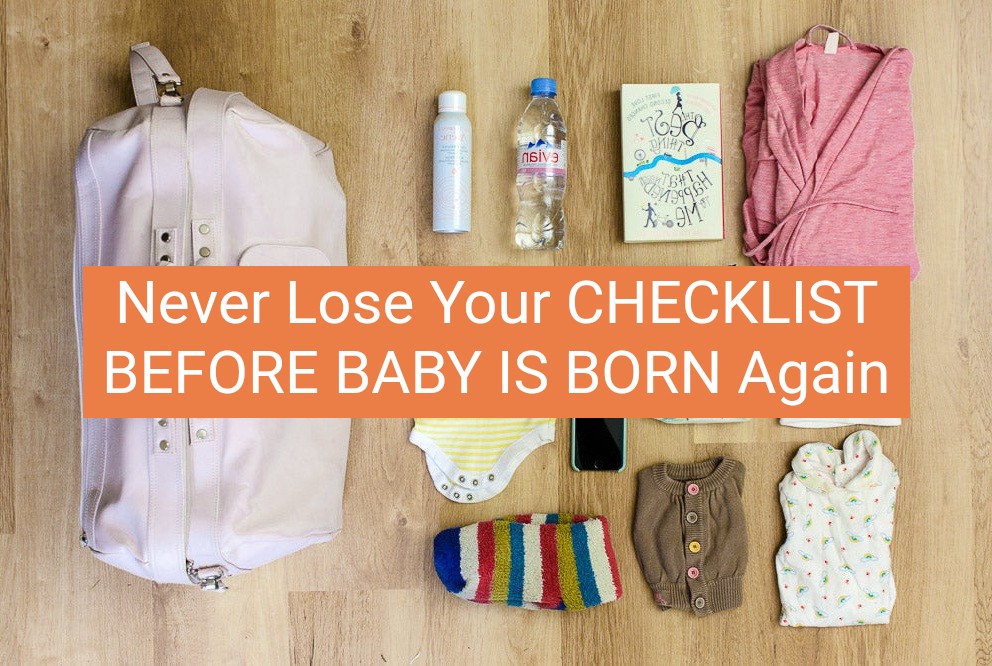
Never Lose Your CHECKLIST BEFORE BABY IS BORN Again


Having a baby is an exciting and life-changing event, but it can also be overwhelming as there are so many things to think about and prepare for. One thing that can help you stay organized and on track is to create a checklist of everything you need to do before the baby arrives. This can include everything from setting up the nursery to packing a hospital bag and preparing for the financial aspects of having a baby. By following this checklist, you can ensure that you are as prepared as possible for your new arrival and avoid the stress of last-minute scrambling.


Here is a comprehensive checklist to help you stay organized and prepared for your new baby:


1.Set up the nursery: This includes everything from setting up the crib and changing table to putting up curtains and decorations. Make sure you have all the necessary furniture and baby gear, such as a stroller, car seat, and diaper pail.


2.Stock up on essentials: You will need a lot of diapers, wipes, and other baby essentials, so start stocking up now. You may also want to consider purchasing some larger items, such as a breast pump or high chair, in advance.


3.Prepare for the financial aspects of having a baby: This includes budgeting for additional expenses and considering any potential changes to your income. You may also want to start a college savings plan or update your will.


4.Pack a hospital bag: Make sure you have everything you need for your stay at the hospital, including clothes, toiletries, and any medications you may be taking. Don't forget to pack a going-home outfit for the baby and a car seat for the ride home.


5.Plan for postpartum care: Make sure you have a plan in place for how you will manage the first few weeks after the baby is born. This may include arranging for help with childcare, meals, and household tasks.


6.Take care of yourself: Remember to prioritize your own health and well-being during this time. Make sure you are getting enough rest, eating a healthy diet, and staying hydrated.


By following this checklist, you can ensure that you are as prepared as possible for the arrival of your new baby. Don't be afraid to ask for help or delegate tasks to others if you need to. The most important thing is to take care of yourself and your new family.

January 11, 2023 No comments
Top 10 Tips With LACTATION COOKIES SIDE EFFECTS


Lactation cookies are a popular snack choice for nursing mothers, as they are believed to help increase milk production. While they can be a helpful tool for breastfeeding mothers, it is important to be aware of potential side effects and take precautions to ensure the safety and health of both mother and baby. 

Here are the top 10 tips for dealing with lactation cookie side effects:


1.Consult with a healthcare professional before starting to eat lactation cookies. It is always a good idea to speak with a doctor or lactation consultant before making any changes to your diet, especially if you are breastfeeding.


2.Choose a reputable brand of lactation cookies. Make sure to select a brand that uses high-quality ingredients and has a good reputation.


3.Follow the recommended serving size. Don’t eat more lactation cookies than recommended, as doing so could lead to an excess intake of certain nutrients, such as calories and sugar.


4.Be aware of potential allergens. Some lactation cookies may contain allergens such as nuts, wheat, or soy, which could cause an allergic reaction in some people.


5.Monitor your baby for any adverse reactions. If you notice that your baby is experiencing digestive issues, fussiness, or any other unusual symptoms after you start eating lactation cookies, stop consuming them and consult with your healthcare provider.


6.Consider alternative galactagogues. Lactation cookies are just one option for increasing milk production. There are many other natural galactagogues, such as fenugreek, blessed thistle, and fennel, that may be just as effective and have fewer potential side effects.


7.Don’t rely on lactation cookies as the sole source of nutrition. While lactation cookies can be a tasty and convenient snack, they should not be relied upon as the main source of nutrients during breastfeeding. A varied, balanced diet is important for both mother and baby.


8.Drink plenty of fluids. Lactation cookies can be drying, so it is important to drink plenty of fluids to help keep yourself hydrated.


9.Don’t eat lactation cookies if you are not breastfeeding. Lactation cookies are intended for nursing mothers and may not be suitable for non-breastfeeding individuals.


10.Don’t replace a healthy diet with lactation cookies. While lactation cookies may have some potential benefits, they should not be used as a substitute for a well-balanced diet. It is important to eat a variety of healthy foods to ensure proper nutrition for both mother and baby.


In conclusion, lactation cookies can be a helpful snack for nursing mothers, but it is important to be aware of potential side effects and take precautions to ensure the safety and health of both mother and baby. By following these tips, you can enjoy lactation cookies as a tasty and convenient snack while breastfeeding.

January 08, 2023 No comments


The internet has been very beneficial, particularly during the pandemic. Our kids have been able to adapt to an alternative way of receiving education through Online or Virtual Learning. The number of internet users have increased over the years, but more since the pandemic started. 


Many of these new users are children. They need to use the internet in the ‘New Normal’ of online or distance learning and researching homework.


Why Internet Safety Is Important in the New Normal

Despite the vast advantages of technology, it is important to remember that the internet is open to everyone around the world. It's critical that you recognize the risks for yourself and others. According to UNICEF, around 8 out of every 10 Filipino children are at risk of cyberbullying or online abuse.


Due to the ‘new normal’, children now use social media as a way to keep in touch with their friends. Many of the young people measure their popularity by the number of online friends or followers they have on social media — they boast their high number of online friends or even flaunt their ‘online’ girlfriend or boyfriend. But do they really know who the person behind it?


If you are going to discuss Internet safety with your kids, make sure to cover the topic of ‘stranger danger’. Young Filipinos are in danger of falling in the trap of online predators. Many have been victims of ‘catfishing’. 

According to a government study, the Philippines has a tragically high rate of internet-based violence among children; 1 in 2 children is a victim of online violence. SaferKidsPH says among the worst types of violence are online exploitation and sexual abuse.

Be cyber-informed

To help tackle this problem, children in the Philippines must be educated on the risks and be aware of the actions to take when faced with danger online.


Educate your kids, siblings, or fellow parents. There are plenty of resources available to educate on the safe use of the internet. Twinkl has published a free online safety guidebook designed especially for parents and teachers in the Philippines to help keep children safe online.


Free education for children

There are online courses such as Stairway Foundation Inc.’s free cyber safety courses for kids. It’s important that kids are educated and trained on how to safely use the internet, this way they can make safe decisions when they are online.


Top tip: Younger children learn better through visual aids like posters or interactive activities and games. You can use Twinkl’s internet and phone safety multiple-choice quiz game to stimulate thinking actions to take during certain situations and check their knowledge.


What can you do to minimize the digital threats at home?

Explore child-friendly search engines


Kiddle.co search engine specifically designed for kids powered by Google. It offers safe web browsing for children as results are vetted by editors to filter out inappropriate content for kids.
Enable parental control on your children’s devices

The use of parental controls reduces the risk of your kids viewing inappropriate content online. You should also monitor your child's internet activity and use age-appropriate settings on devices in order to avoid digital threats. Here’s a guide on setting parental control on different devices.

Set time limits — screen time

It’s no doubt that the screen time for children has increased since the pandemic. It’s important that children develop healthy screen time.

Too much screen time can have a negative impact on children’s sleeping patterns, concentration, mental health and physical activity. That’s why it's important children are aware of the importance of taking regular breaks and using screen time optimally and effectively.


5 Important Internet Safety Tips to Teach Your Children

1. Do not post or share your personal details to strangers online.

Personal details include the child's school name, home address, bank account details, location, and full name.


2. Think before you accept and connect.

Only accept a friend request from people you actually know. You can never be sure whether the person you are talking online is really who they say they are.


3. You should never meet anyone you met online in person.

If someone asks to meet you, tell your parents, guardian or friends right away. Some people may not be who they say they are.

4. Never respond to horrible or rude posts or emails.

Think about your behavior as well. Be nice, do not be a bully. Unfriend or block anyone you find inappropriate, horrible, or bothersome.

5. Think carefully before posting and sharing a picture or video yourself.

You may be blackmailed in the future by anyone who has your personal photo or video.

___

April 08, 2022 No comments
Newer Posts
Older Posts

ABOUT THE AUTHOR

My name is Kristenne, misis to Jerome and mommy to Kitty. I'm a work-at-home mom, writer, and editor. Learn more about what my blog is in the About page. If you'd like to work with me, or you have other questions and concerns, please feel free to contact me.


Follow Us

INTERESTING TOPICS

BABY CARE BABY TALK BLOGGING BREASTFEEDING BUDGET CAREER CEBU BLOGGER FAMILY THREE HOME AND LIVING LIEBSTER AWARD MARRIAGE MOM BLOG MOMMY BLOGGER MOMMY TALK MONEY TALK MOTHERHOOD ONE AND DONE ONLY CHILD PARENTING PARENTING BOOK REVIEW PHILIPPINES POTTY TRAINING PREGNANCY PRODUCT REVIEWS TRIANGLE FAMILY WEDDING

recent posts

FOLLOW ME @INSTAGRAM

Created with by ThemeXpose Shared by Way Templates