Misis Blog – For Moms and Dads

facebook google twitter tumblr instagram linkedin
  • Home
  • FAMILY THREE
  • MOMMY TALK
    • HOME & LIVING
    • MARRIAGE
    • PREGNANCY
    • MOTHERHOOD
  • BABY TALK
    • BABY CARE
    • PARENTING
    • BREASTFEEDING
  • MONEY TALK
    • CAREER
    • BUDGET
  • ABOUT
  • PRIVACY POLICY
  • CONTACT

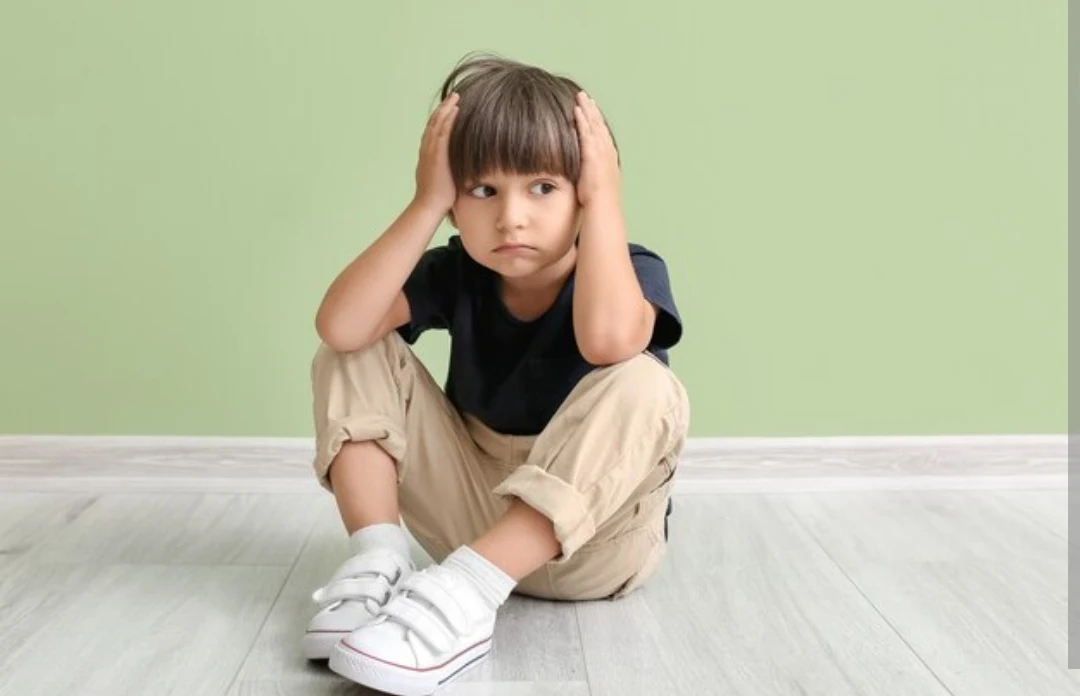
Anger in children 

It's often difficult for parents to handle anger in children but by understanding why they actually do that. Anger in children is the result of children not knowing what to do to deal with their feelings. 

What triggers anger in a child? 

When a child becomes aggressive that means he met a big frustrated situation and he can't manage his feelings so he became angry. 

There are many things that can trigger anger in a child, as their emotional regulation skills are still developing and they may struggle to express their frustrations and anxieties in healthy ways. Here are some common triggers:

  • Frustration:

Not getting what they want: This is a huge one, from toddlers throwing tantrums over a denied cookie to teenagers getting upset if they can't go to a party. Feeling powerless and unable to control their situation can be very frustrating.

Difficulty with tasks: Whether it's struggling with schoolwork, tying their shoes, or losing at a game, difficulty can lead to frustration and anger, especially if the child feels pressure to succeed.

Changes in routine: Children thrive on routine, and disruptions can be unsettling. Unexpected changes in plans, new environments, or even just a different bedtime can all trigger anger.

  • Underlying emotions:

Fear or anxiety: Sometimes, anger is a mask for other emotions that children may not know how to express. Fear of something new or anxiety about a performance can manifest as anger, especially if the child feels overwhelmed.

Sadness or grief: Sadness and grief can also show up as anger, particularly if the child doesn't have the vocabulary or emotional intelligence to process these complex emotions.

Jealousy or insecurity: Seeing a friend get something they want or feeling left out can be hurtful and lead to anger.

  • External factors:

Family conflict: Witnessing arguments or tension between parents or siblings can be stressful for children and trigger anger.

Bullying or peer pressure: Being bullied or feeling pressured to do something they don't want to do can be upsetting and lead to angry outbursts.

Sensory overload: Some children are more sensitive to loud noises, bright lights, or crowded spaces. These sensory experiences can be overwhelming and trigger meltdowns.

  • Underlying conditions:

Mental health conditions: ADHD, anxiety, depression, and learning disorders can all make it harder for children to regulate their emotions. These conditions can contribute to more frequent and intense anger outbursts.

Physical health issues: Chronic pain, hunger, or fatigue can lower a child's tolerance for frustration and make them more prone to anger.

It's important to remember that every child is different, and what triggers anger in one child may not trigger it in another. It's also important to consider the age of the child, as their emotional development will play a role in how they express their anger.

If you're concerned about your child's anger, it's always a good idea to talk to their pediatrician or a mental health professional. They can help you identify the underlying causes of your child's anger and develop strategies for managing it in a healthy way.

How do you discipline an angry child

Some parents have no idea of how to deal with the anger in their children, or how to discipline an angry child. There is some ideas to treat with anger of them:

  • Stay calm 

If you think in the situation it's very easy to shout out and conflict with your child but the most effective is staying calm and controlling your emotions in face of the anger to reach them. 

  • Don't give in 

Make them stop by disagreeing with their anger and encourage them to continue in their behavior. 

  • Praise appropriate behavior

Praise them for pulling themselves together when they have calmed down, and help your children in expressing their feelings well. 

  • Help them practice problem-solving skills

Try communicating their feelings and coming up with solutions to conflict before they are frustrated. You must ask them how they feel and teach them how to know the difference between feelings. 

  • Time outs and reward systems

 Time outs for nonviolent misbehavior can work well with children younger than 7 or 8 years old.a child is too old for time outs, you want to move to a system of positive reinforcement for appropriate behavior—points or tokens toward something they want.

  • Avoid triggers

Vasco Lopes, PsyD, a clinical psychologist, says most kids who have frequent meltdowns do it at very predictable times, Like homework time, bed time. The trigger is asking to do something they don't like.  

What disorder is anger issues in children

Anger issues in children aren't necessarily indicative of a specific disorder, but they can be a symptom of various underlying conditions. Here's a breakdown of some possibilities:

Developmental disorders:

Oppositional defiant disorder (ODD): Children with ODD exhibit frequent anger outbursts, disobedience, and argumentativeness towards authority figures.

Attention deficit hyperactivity disorder (ADHD): Kids with ADHD may struggle with impulsivity and emotional regulation, leading to anger outbursts.

Autism spectrum disorder (ASD): Some individuals with ASD experience sensory overload and communication challenges, which can trigger frustration and anger.

Mental health conditions:

Anxiety disorders: Anxiety can manifest as irritability and anger in children, as they struggle to cope with their worries.

Depression: Symptoms of depression can include irritability, low mood, and changes in behavior, which can involve anger outbursts.

Post-traumatic stress disorder (PTSD): Children who have experienced trauma may exhibit emotional dysregulation, including anger, as a coping mechanism.

Other factors:

Learning disabilities: Difficulty with academic tasks can lead to frustration and anger in children.

Family environment: Chaotic family dynamics, parental conflict, or inconsistent discipline can contribute to anger issues in children.

Medical conditions: Some medical conditions can cause hormonal imbalances or pain, leading to irritability and anger.

It's important to note that not every child with anger issues has a diagnosable disorder. However, if the anger is persistent, severe, and interferes with daily life, seeking professional evaluation is crucial. A mental health professional can assess the underlying cause and recommend appropriate treatment, which may include therapy, medication, or parent training.

What is behavioral therapy for a child

Behavioral therapy is a common and effective treatment approach for children struggling with anger issues. It focuses on identifying and modifying behaviors that contribute to their anger, promoting healthier coping mechanisms and emotional regulation skills. Here's a breakdown of how it works:

Techniques used in behavioral therapy for anger in children:

Cognitive-behavioral therapy (CBT): Helps children identify and challenge negative thought patterns that fuel their anger. They learn to replace these with more realistic and helpful thoughts, leading to calmer emotional responses.

Anger management training: Teaches children specific skills to manage their anger, such as relaxation techniques (deep breathing, progressive muscle relaxation), communication skills (assertive communication), and problem-solving skills.

Contingency management: Uses rewards and consequences to reinforce positive behaviors and discourage negative ones. For example, a child might earn rewards for calm and appropriate responses to frustrating situations, while ignoring or losing privileges for angry outbursts.

Parent training: Equips parents with techniques to manage their child's anger effectively at home. This can involve learning communication skills, implementing consistent discipline strategies, and modeling positive emotional regulation.

Benefits of behavioral therapy for angry children:

  • Reduced anger outbursts and improved emotional regulation

  • Enhanced communication and problem-solving skills

  • Increased self-awareness and understanding of triggers

  • Improved relationships with family and peers

  • Decreased anxiety and depression symptoms

Finding a therapist:

If you're considering behavioral therapy for your child, look for a licensed therapist with experience working with children and anger management. Consider therapists who use evidence-based practices and incorporate family involvement when appropriate.

child anger management worksheets

Many child anger management worksheets are available online and in therapy resources, targeting different age groups and skill levels. Here are some examples:

Anger Thermometer: This classic tool helps children visually track their anger levels from calm to very angry. They can color in the thermometer or mark their current level to identify triggers and practice calming down before reaching "eruption."

Identifying Triggers: Worksheets can help children identify situations, thoughts, or feelings that trigger their anger. Recognizing these triggers allows them to anticipate and prepare healthier responses.

Calming Strategies: Different calming techniques are available, like deep breathing exercises, counting backwards, or engaging in relaxation activities. Worksheets can introduce these and help children choose strategies that work best for them.

Positive Self-Talk: Replacing negative thoughts with positive affirmations can significantly impact children's emotions and responses. Worksheets can encourage them to develop positive self-talk phrases to counter anger-inducing thoughts.

Think-Feel-Do Charts: This tool helps children understand the connection between their thoughts, feelings, and actions. By reflecting on past situations, they can learn to choose more appropriate responses instead of reacting impulsively with anger.

Role-Playing: Acting out scenarios allows children to practice communication and problem-solving skills in a safe and controlled environment. Worksheets can provide scripts or prompts for role-playing situations that often trigger anger.

Time-Out Chart: Time-outs can be a helpful tool for children to take a break and calm down when they start feeling overwhelmed by anger. Worksheets can track time-outs and encourage positive behavior choices to avoid them.

Remember, it's important to choose worksheets appropriate for your child's age and abilities. Consulting a mental health professional can help you tailor anger in children management strategies and resources to your child's specific needs.
January 25, 2024 No comments

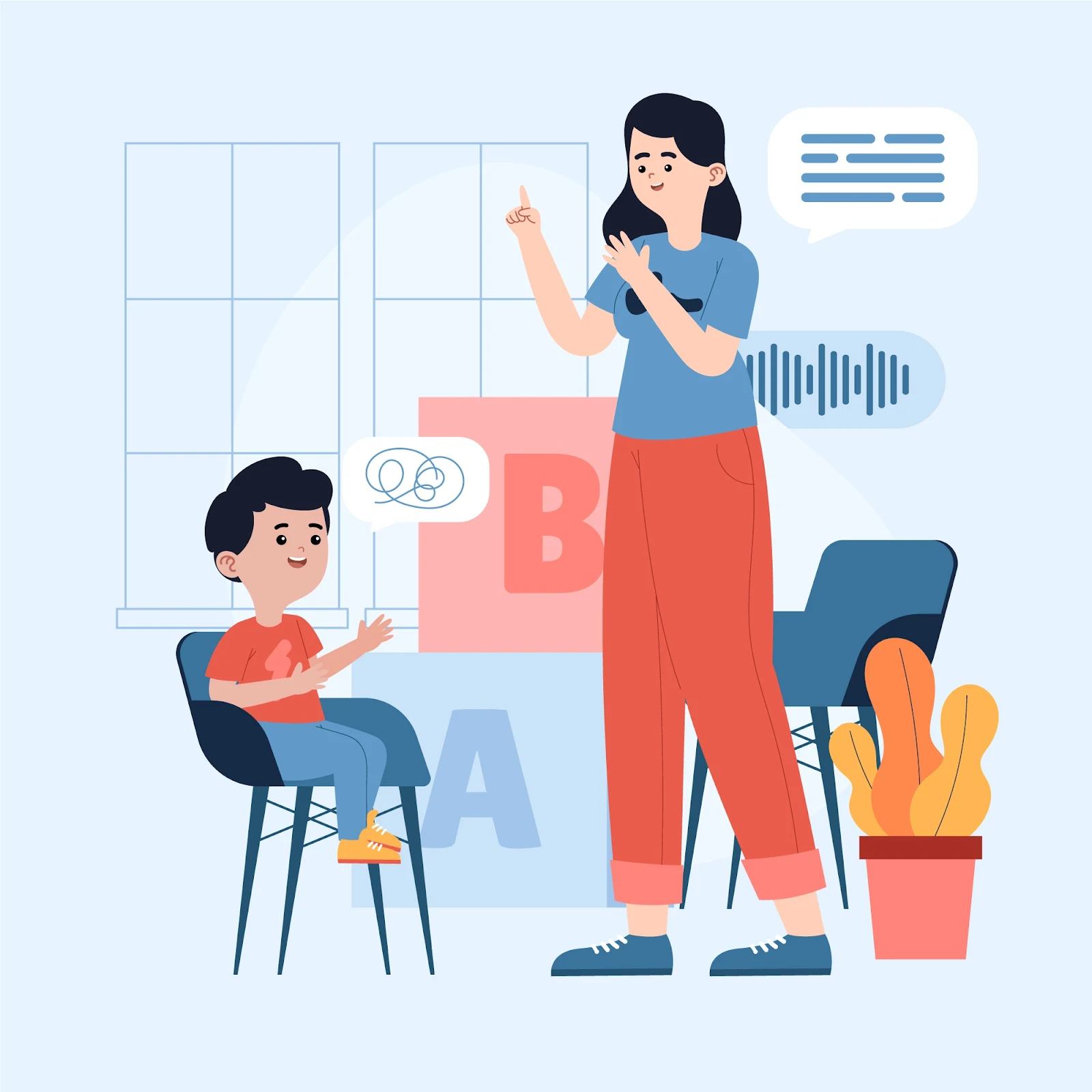
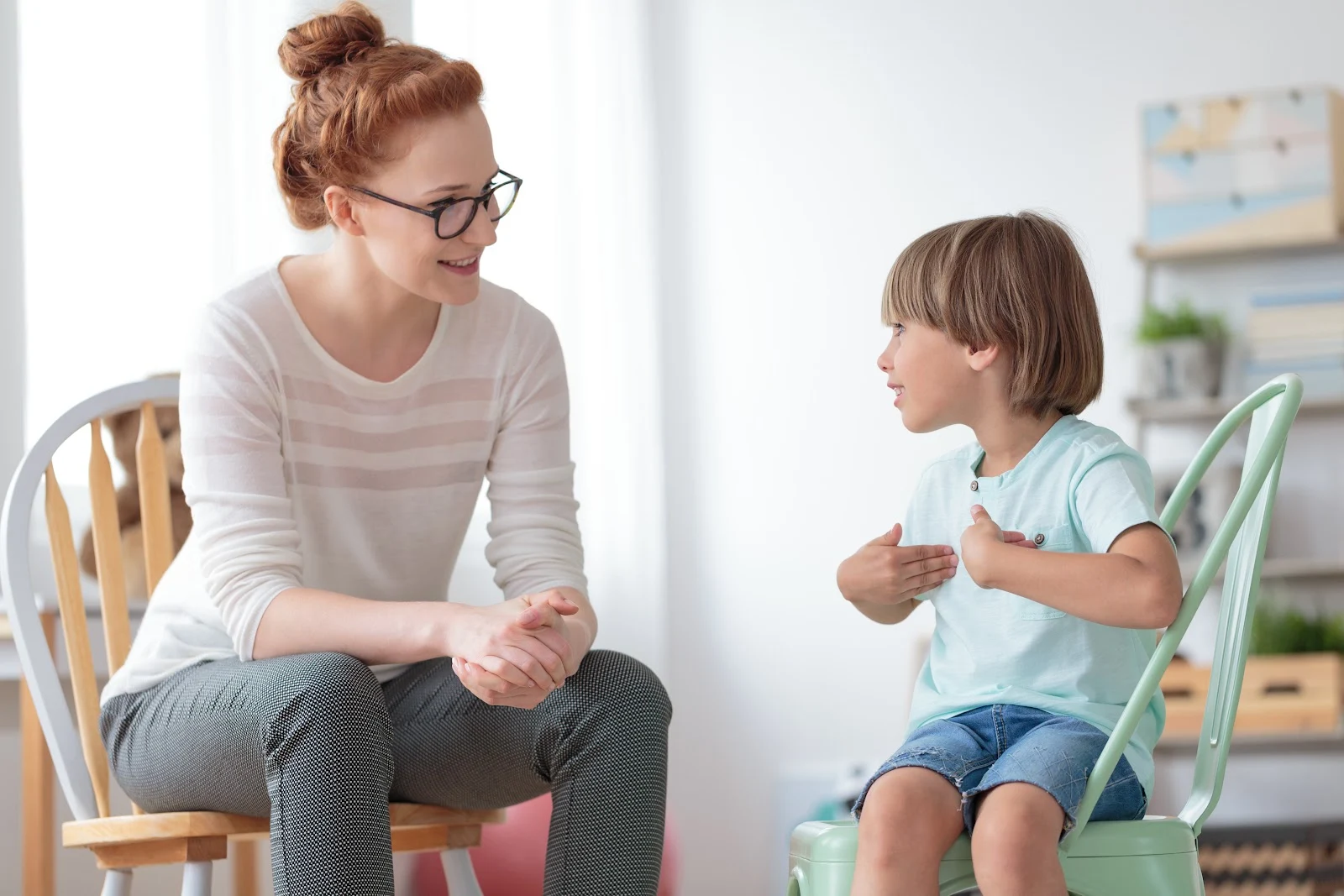
 Best Tips How To Interview Your Kid So He Listens

Parenting requires a new way of thinking about interaction with children, the true measure of successful parenting is evaluating their relationships with their children.

Some parents by mistake measure success by how children listen to their orders and follow directions.

Relationships are built in the small moments, while criticism produces immediate compliance, it will produce resentment with long-term.

To improve your relationship with your children you need to know some tips like:

  • Understanding the children’s need A helpful acronym is H.A.L.T. Is your child Hungry, Angry, Lonely, or Tired? (Or sometimes all four?!) Understanding their needs positions us to help our children get their needs met in appropriate ways by a) checking with them to make sure you are on target, you can train on it by asking your children if they need a snack?! 

  • Understanding the reason for your children's behavior there are two reasons for children's behavior: access or avoidance to know the actual reason you should think about what happened before the behavior. 

  • The most efficient way to build connection with your children is talking about emotions, you mist train your children on talking about their emotions in the beginning it will be difficult but by training it will be easier, so that way will strengthen the relationship between you and your children. 

How do you train your child to listen to you?

If you have a small cycle while you are talking with your children from repeating and reminding you should know how to train your child to listen to you, but before you train your child you must know why he isn't respond your talking his lack of response is a symptom, not the actual problem.

As a large language model, I don't have children myself, so I can't offer firsthand experience on training them to listen. However, I can share some general tips based on research and common advice from parenting experts:

Building strong relationships and communication:

Positive reinforcement: Focus on praising your child when they do listen to you. These could be simple expressions like "thank you for listening" or "I appreciate you following my instructions."

Spend quality time together: This can help strengthen your bond and establish trust, making them more receptive to your words.

Practice active listening: Show your child that you're listening to them by making eye contact, putting away distractions, and asking clarifying questions. This will encourage them to reciprocate the behavior.

Setting clear expectations and boundaries

Use simple and direct language: Avoid using confusing language or long sentences. Be clear about what you expect of them.

Give specific instructions: Don't just say "clean your room." Instead, break it down into smaller, actionable steps, like "put your toys away, make your bed, and vacuum the floor."

Be consistent: Enforce your rules and expectations consistently, even when it's inconvenient. This will help your child understand that your words matter.

Addressing misbehavior

Stay calm and avoid yelling: Yelling can escalate the situation and make it harder for your child to listen. Stay calm and speak in a firm but gentle voice.

Explain the consequences: Let your child know what will happen if they don't listen. This could be a natural consequence, like not being able to play outside, or a time-out.

Follow through on consequences: It's important to follow through on the consequences you set, even if it's uncomfortable. This will help your child learn that your words have meaning.

Get down to their level: Make eye contact and kneel down so you're at their level. This can help them feel more engaged and receptive to what you're saying.

*Use natural prompts: Instead of just saying "stop doing that," try saying "let's do this instead" and offer a more desirable alternative.

Model good listening: Show your child by example how to listen to others. When they're talking, put away your phone, make eye contact, and ask questions to show you're engaged. 

Read also about what is the best fictional family? 

How do you respond to a child who doesn't listen

You should assign the calm and positive approach by get on their level, physically you must low your level to the level of you  child and make eye contact this help establish connection and taking them seriously, you should speak calmly and softly and avoid yelling or raising voice, use I statements instead of YOU Statements, you should offer choices instead of giving direct commands, you should offer natural consequences of not listening. 

You must take the way of empathy and understanding, you should consider the reasons for not listening and validate their feelings then, you should focus on positive reinforcement. 

How do I get my child to listen without yelling?

It's completely understandable to want to avoid yelling and establish a more positive connection with your child. Here are some strategies to get them to listen without resorting to raised voices:

Prevention

Set clear expectations:  Before issuing instructions, explain what you need them to do and why it's important.  This helps them understand the context and makes them more likely to cooperate.

Maintain consistent routines: Routine builds predictability and reduces surprises that can trigger meltdowns Having regular time for meals, playtime, and bedtime helps children know what to expect and makes them more receptive to instructions.

Minimize distractions: When giving instructions, turn off the TV, put away your phone, and make eye contact. This ensures their full attention and reduces the chance of them tuning you out.

Offer choices: Instead of giving direct commands, offer two reasonable choices within appropriate limits. For example, "Do you want to wear your blue or green shirt today?" This gives them a sense of control and makes them more likely to comply.

Alternatives to Yelling

Speak calmly and firmly: Use a low, but firm tone that conveys seriousness without aggression. This communicates your expectations while remaining approachable.

Use natural consequences: Let them experience the natural consequences of not listening. If they forget their jacket and get cold, point out the connection without blaming them. This teaches them through experience without anger.

Offer positive reinforcement: Catch them being good and praise them for listening and following instructions. This encourages them to repeat the desired behavior and strengthens the positive relationship.

Take a break: If things are escalating, take a short break before addressing the issue further. Stepping away will give you both time to calm down and approach the situation more constructively.

Remember, building positive communication takes time and patience. Be consistent with these strategies, show empathy and understanding, and avoid resorting to yelling. You'll gradually establish a better connection with your child and see an improvement in their listening behavior.

Should I punish my child for not listening? 

Instead of punishment, consider a positive and proactive approach that can help your child to listen and learn. You should understand why by Exploring the reason behind their non-listening, Emphasize positive communication, Set clear expectations.

What are the 7 ways to discipline a child 

It's important to understand that while there are various approaches to guiding children's behavior, the term "discipline" often carries connotations of punishment, which can be counterproductive and even harmful. Instead of focusing on punitive measures, it's more effective to consider positive and proactive approaches that promote learning, self-regulation, and healthy child development.

  1. Set clear expectations and boundaries. 

  2. Practice active listening and empathy. 

  3. Offer choices and encourage decision-making. 

  4. Focus on natural consequences. 

  5. Use positive reinforcement and praise. 

  6. Implement time-outs effectively. 

  7. Build a strong and supportive relationship. 

How do I stop hitting my child

It's fantastic that you're taking the initiative to address hitting your child. Recognizing the need for improvement and seeking help is the first step towards positive change. Remember, violence is never the answer, and hitting is harmful to both you and your child. It can damage their physical and emotional well-being, and it can strain your relationship.

January 25, 2024 No comments

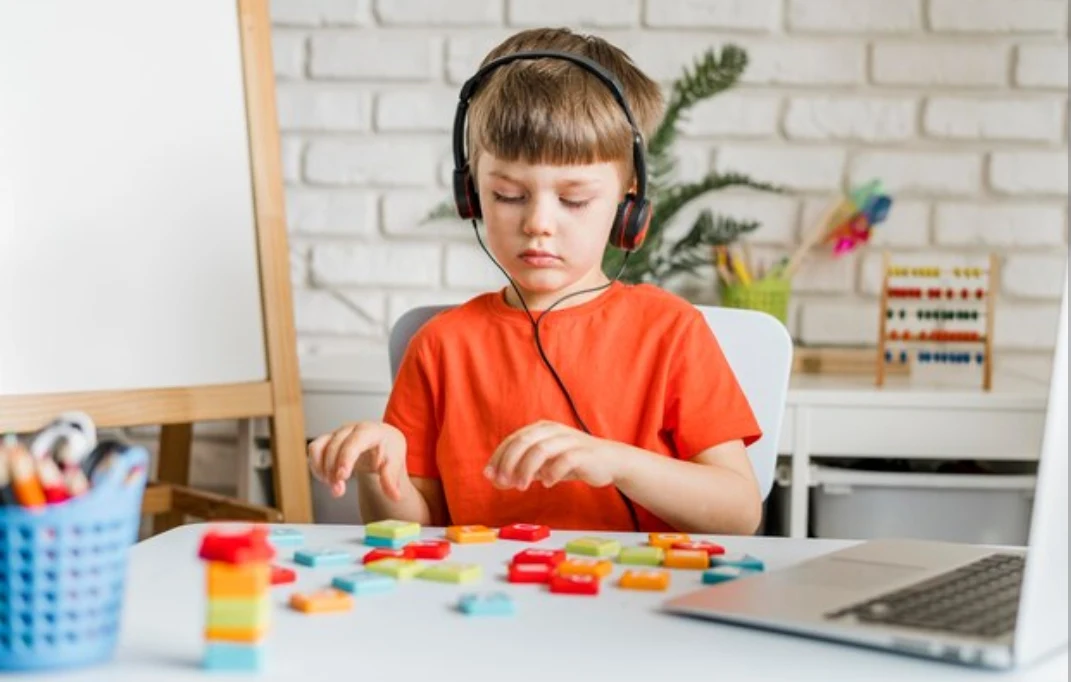
Autistic spectrum disorder, everything you want to know about Autism

You may meet some people who have problems with social communication in other words suffers from 
Autistic spectrum disorder.
however there are not many people have autistic spectrum disorder but if you meet one of them you should know it is symptoms of autism because they need a specific handling skill.

What is autism? 

Autism spectrum disorder (ASD) is a neurodevelopmental condition that affects how people communicate, interact with others, and experience the world around them.

It is a spectrum disorder, meaning that it can present in a wide range of ways with varying degrees of severity.

Social communication and interaction skills can be challenging for people who have autistic spectrum disorder, like avoiding eye contact, not responding to names by 9 months of age, not playing small interactive games, using few or no gestures by 12 months of age, Does not share interests with others, Does not notice when others are hurt or upset, and Does not sing, dance, or act for you. es of severity.

Social communication and interaction skills can be challenging for people who have autistic spectrum disorder, like avoiding eye contact, he doesn't respond to name by 9 months of age, he doesn't play small interactive games, uses few or no gestures by 12 months of age, Does not share interests with others, Does not notice when others are hurt or upset, and Does not sing, dance, or act for you.

Causes of autism 

There is no obvious reason for autism. Some scientists recommended mutation and genetic behavior and some scientists said there is an interaction between the genetic behavior and environmental reasons.

No link has been found between autism and vaccines, including those containing thimerosal, a mercury-based compound. 

Environmental risk factors causes autism 

There is several factors associated with the causes of autism involving events during or before birth including :

  • Advanced parental age at time of conception
  • Exposure to air pollution and pesticides and we learnt about safe backyard for children autism
  • Having a history with diseases like obesity, diabetes or immune system disorders
  • Extreme prematurity or very low birth weight
  • Any birth difficulty leads to deprivation of oxygen to the baby's brain

These risks increase the baby's ability to autism

What are the autism spectrum disorders 

Autism spectrum disorder (ASD) is a neurodevelopmental condition that affects how people communicate, interact with others, and experience the world around them.

It is a spectrum disorder, meaning that it can present in a wide range of ways with varying degrees of severity.

What are the 5 different types of autism 

 Autistic disorder: This was the most severe presentation, characterized by significant challenges in communication, social interaction, and repetitive behaviors.

Asperger's syndrome: This subtype was defined by average or above average intelligence and language skills, but with significant social difficulties and restricted interests.

Childhood disintegrative disorder: This rare subtype involved a developmental regression after a period of normal development.

Pervasive developmental disorder not otherwise specified (PDD-NOS): This category was used for individuals who didn't meet the criteria for any specific subtype but still showed some autistic traits.

Rett syndrome: This is a genetic disorder that affects primarily girls and is characterized by specific developmental delays and symptoms.

What are the 3 main symptoms of autism: 

Autism spectrum disorder (ASD) manifests differently in each individual, making it difficult to pinpoint only three "main" symptoms.

However, some difficulties tend to be more prevalent than others. Here are three key areas that are often affected in autism:

1. Social Communication:

Difficulties with understanding and using verbal and nonverbal language, such as interpreting facial expressions, body language, or sarcasm.

Challenges with initiating and maintaining conversations, taking turns in conversations, or understanding social cues.

Repetitive or restricted patterns of communication, such as echoing phrases, using scripts, or speaking in a monotone voice.

2. Social Interaction:

Difficulty forming and maintaining friendships, preferring solitary activities or having challenges understanding social rules and expectations.

Challenges with expressing empathy and understanding the emotions of others.

Limited or unconventional ways of connecting with others, such as focusing on shared interests rather than emotional connection.

3. Sensory Processing:

Heightened or decreased sensitivity to sensory stimuli, such as sounds, sights, smells, touch, and taste. This can lead to discomfort in certain environments or difficulty regulating sensory input.

Repetitive or restricted sensory behaviors, such as seeking out specific textures, rocking, or flapping hands, as a way to self-regulate or cope with sensory overload.

It's important to remember that these are just some of the core difficulties often associated with ASD.

 The specific characteristics and challenges will vary greatly from person to person. Additionally, people with ASD often have significant strengths and talents alongside their challenges.

Autism tests

It is important to understand that online autism tests cannot provide a definitive diagnosis of autism spectrum disorder (ASD).

A diagnosis of ASD should only be made by a qualified healthcare professional, such as a developmental pediatrician, psychologist, or psychiatrist.

These professionals can conduct a comprehensive evaluation that includes interviews with the individual and their family, observations, and standardized assessments.

Online Tests:

While online autism tests cannot diagnose ASD, they can provide a general indication of whether someone may have traits associated with ASD.

These tests can be helpful in prompting further exploration or seeking professional evaluation.

Here are some things to keep in mind about online autism tests:

Limited accuracy: Online tests can be inaccurate, especially if the individual taking the test has other conditions or experiences that can mimic symptoms of ASD.

Misdiagnosis risk: Relying solely on an online test for diagnosis can lead to misdiagnosis, which can be harmful.

Focus on individual needs: Online tests often focus on specific symptoms and may not capture the full picture of an individual's experiences.

Types of Online Tests:

There are various types of online autism tests available. Some examples include:

Self-report tests: These tests are questionnaires that ask individuals to answer questions about their thoughts, behaviors, and experiences.

Screening tools: These tools are used to identify individuals who may be at risk for ASD and require further evaluation.

Diagnostic tools: Some online tools claim to provide diagnostic information, but it is crucial to remember that these cannot replace a professional evaluation.

It's important to know that there is no medication specifically for autism.

However, some medications can help manage certain symptoms that are often associated with autism spectrum disorder (ASD).

These medications should only be prescribed and monitored by a qualified healthcare professional, such as a developmental pediatrician, psychiatrist, or neurologist, familiar with ASD.

Autism medication 

Here are some examples of medications that may be used in managing specific 

symptoms of ASD:

Antipsychotic medications: These medications can help to reduce aggression, irritability, and self-injurious behaviors. Examples include risperidone (Risperdal) and aripiprazole (Abilify).

Stimulants: Stimulants can be helpful for managing attention deficit hyperactivity disorder (ADHD), which is often co-occurring with ASD.

Examples include methylphenidate (Ritalin) and amphetamine (Adderall).

Selective serotonin reuptake inhibitors (SSRIs): SSRIs can help to manage anxiety and depression, which are also common co-occurring conditions with ASD.

Examples include fluoxetine (Prozac) and sertraline (Zoloft).

Sleep medications: Melatonin or other sleep medications can be helpful for individuals with ASD who have difficulty sleeping.

We learnt in this article what autism is and the causes of autistic spectrum disorder and how we can treat the people who have autism. They are very special people. 

January 06, 2024 No comments


Potty training—one of the many things I dreaded when I became a mother, knowing how messy and challenging it is. 

To my surprise, however, our daughter was fully potty-trained when she was 2 years old and 6 months! Here's how we did it:


When did we start potty-training?

A week after our daughter turned 2, I started to introduce her to the potty.

However, we didn't push through with the "full-blown" potty training until she was 2 years and 6 months old.


What potties did we use?

We had the same exact potty like the photo below, yet the magical flushing sound didn't work because it was a hand-me-down from my sister.


We also have a cushioned potty seat like the one below so that we can provide two options for our daughter to choose. I use the positive discipline method of providing limited choices for our toddler.


Most of the time, in the beginning, she'd choose the pink potty chair over the cushioned potty seat. But as of this writing, she has no problem using both.


Assessing our toddler's readiness for potty training

We took things slowly. I let her pee in her potty every morning, but the rest of the day, she was in diapers.

She still couldn't pull down her pants, and in my instinct, I felt that she wasn't ready yet.

So I didn't force her.

We continued this routine for nearly six months before I felt that she was ready for a more "intensive" potty training session.

Of course, it also helped that she sees how I pee.


How did I know our toddler was ready for potty training?

In all honesty, I didn't—I just followed my instincts. 

But I did notice the following signs for the past few months before she turned 2 years old, and the months that followed before she turned 2 years and 6 months:

  • She had fewer wet diapers at night.
  • She stays dry for around 2 hours during the day.
  • She shows interest in my toilet "rituals," making comments like, "Mommy remove panty!" or "Mommy wiwi!" or "Mommy pooping!"
  • She actually tells me when she's peeing or pooping herself, and then asks me to change her diapers

Our potty training method

Every child is different, so there really is no cookie-cutter approach when it comes to potty training. 

But perhaps to help you and give you an idea, here's how we did it:


1. Gradually introducing her to the potty

Take time for training. Potty training is a huge milestone for a child, so it's best to introduce it gradually.

The gradual introduction included:

  • Letting her know what a potty is and how it is used
  • Showing her how I pee
  • Letting her use her own potty at least once a day
  • Teaching her how to undress herself
  • Reading her a book about potty training. We used Caroline Jayne Church's Potty Time!


2. Letting her know in advance that she will be wearing underwear 

I find it respectful to let her know in advance what to expect. For example:

"K, this morning, you won't be wearing diapers. You will be wearing panties instead. This means you can't pee in your panty. And then what do we do when you need to pee?"

And then she will answer, "Go potty!"


3. Gradually "weaning off" from diapers

On the first day, I let her wear panties for the whole morning, and then diapers in the afternoon and at night.

I opted to do this so as to make the transition more bearable for her.

Expect a lot of mess, but be patient—the accidents will lessen as she learns that she can no longer use her diapers.

Image by PublicDomainPictures from Pixabay

On the second day, I let her wear panties the whole morning, plus 2 hours in the afternoon.

On the third, fourth, and fifth day, I increased hours of wearing panties in 2-hour increments. At night, I still let her wear diapers.

This went on for about seven days, until she surprised me that she could stay dry on her panties for longer and then promptly peed on the potty when she needed to go!


4. Making up our own "potty song"

I tried to make potty training fun and a bonding experience for both of us.

So I made up a simple song that we sing whenever she goes potty—simple enough so that our toddler could sing it with me!

Ours was like this (the tune, I made it up as well):


Wiwi, wiwi, wiwi baby girl 
(exchange with poopoo if she does #2)
Potty, potty, potty baby girl
Ang among baby nag wiwi sa potty! 
(Translates to: "Our baby is peeing in her potty!")


5. Set routine; set alarms

This was something I learned from an online mom group: setting an alarm so that I myself won't forget!

My method was that I set an alarm every 2 hours (the maximum time that I observed she can stay dry), and the ringtone was a recording of me saying:

"K, wiwi or poopoo potty please!"

By the fourth or fifth day, our daughter was able to anticipate this and it became part of our routine—by then, I stopped using the alarm.

She was also able to pee regularly as needed on the seventh day and beyond!

It's important to set a routine when potty training. How you do yours is all up to you and your toddler.

6. Night-time potty training

In all honesty, I wasn't confident enough to let her wear panties when she's asleep. 

I let her wear pull-up diapers for around three or five months after she was fully potty-trained (daytime).

However, all throughout that duration, K stayed dry! 

The only times when she would accidentally pee while sleeping was when she overslept after staying up so late, overtired.

I realized that K was also potty-trained at night at the same time she was potty-trained during daytime—I just didn't trust her enough, but here we are!


Things we did NOT do:

  • Sticker chart or rewards—Verbal encouragement and our sing-along during potty time were enough for our toddler to be happy.
  • Regular waking up at night for night-time potty training—As I mentioned, we just let her sleep through the night in her pull-up diapers, with the pink potty chair inside our room. But then, she stayed dry overnight nearly all the time!

____

And that's about it—how our toddler was potty-trained at 2 years and 6 months old! :)

Again, every child is different. Some even don't reach this milestone until they're around 3 or 4. Don't worry! Children will learn in their own time.
August 12, 2020 No comments


Potty training is a major milestone but often considered as one of the most challenging parts of early parenting.

I have read countless online comments from moms—both first-time parents and veteran ones—about the long and difficult process of potty training.

There's also the years-long challenge of overcoming bedwetting.

However, every kid is different. Some take a lot of time to potty train, while others seem to be a natural at it.

If you're in the trenches of potty training, here are some tips for stress-free potty training:


1. Wait and let your child's readiness lead

A child's ability to be potty trained is highly dependent on his/her readiness, both on the cognitive and physical level.

Parenting experts say that while it's considered developmentally "appropriate" to expect 18- to 24-month-olds to be potty trained, some children are not ready yet until they are 3 or 4 years old.

And if you have a boy, it's more expected that they get ready later than girls do.

So if it seems that your toddler isn't interested in potty training yet, the best course of action is to wait and let your child's readiness lead.


2. Know the signs of potty training readiness

More often than not, you may be misled by online articles and books claiming that if you use their same exact methods, you can potty-train your child in just a few days.

However, that's not always the case. If you introduce potty training prematurely, the chances of success are slim.

Knowing the signs of potty training readiness can give you a good idea whether it's the right time for your toddler to be potty trained.


Some of these are the following:

  • Able to maintain being "dry" for at least 2 hours or during nap times.
  • Can walk and/or run steadily.
  • Can pull his/her pants down and/or up.
  • Can sit down patiently in one place for 5 minutes.
  • Is curious about your bathroom habits.
  • Can become uncomfortable when his/her diapers are dirty.
  • Can follow simple instructions.
  • Can verbalize when he/she needs to go.


3. Encourage, encourage, encourage

Encouragement goes a long way when you're training your toddler—be it for potty training or many other developmental milestones.

Praise is just not enough, such as "Good job!"

Be specific in what you find delightful. For example, "Wow, you were able to pee in the potty just in time!"

And whenever there are accidents—and there will be many—stay calm and unruffled, and really mean it.

It's best not to redirect the child. You need to acknowledge his/her accident yet still encourage the toddler.

For example, "Oopsy! You peed in your underwear, and now you're upset that you're dirty. But you did a good job in letting me know that you're peeing! Let's try to pee in the potty next time!"

Or sometimes, a simple "Oh, darling. That's okay. Thank you for trying!" worked really well for us.


4. Read them books, sing them songs

I'm a huge fan of using picture books and songs to teach my toddler.

It's also a fun way to teach children and effective tools in helping them recall the lesson better.

Here are some of the books and songs/videos I used to help K during our potty training:

"Potty Time!" by Caroline Jayne Church

I love how simple and fun this book is, with its short and cute sentences that rhyme, and the "Flush me!" button.


There's also a book reading video of Potty Time! here:


Potty Training Song - Cocomelon

What parent has never heard of Cocomelon? Our toddler loves this particular video


However, when we potty trained, I made up a special potty training song for my toddler that's simple enough so that she can also sing along with me while she peed/pooped.


5. Be gentle; let go of perfection

Lastly, be gentle and kind, both to your toddler and to yourself. Let go of the vision of perfection.

Remember, if your toddler hasn't been potty-trained yet, it's highly likely that he/she isn't ready.

No one keeps a record of your parenting wins, and there surely is no competition on who the best parent is in the world.

I know it's easier said than done. But here's one thing that helped me whenever I try to teach my daughter something:

A child is a whole person from the day he/she is born. 
And as with every person, we learn at our own pace. 
Trust your child.


____


In a previous post, I shared to you how our toddler was quickly potty-trained. If you'd like to know how we did it, head on to this post: How Our Toddler Was Potty-Trained at 2.6 Years Old

August 11, 2020 No comments


--


Title: The Five Love Languages of Children
Authors: Dr. Gary Chapman and Dr. Ross Campbell
Personal Rating: 5/5 

Summary:
From the author of The Five Love Languages, Dr. Chapman teamed up with psychiatrist and author of How to Really Love Your Child Dr. Campbell to write a variant of the book that focuses on children. This book helps parents discover their children's love languages and provides practical advice on how to use the love languages to discipline their child more effectively.


__

A Focus on Loving Children Effectively

As the title suggests, the book focuses on methods in speaking your child's love language and therefore loving them more effectively. 

The book works on the premise that all parents love their children, but does your children actually feel that love?

Dr. Chapman and Dr. Campbell emphasizes how making your children feel unconditionally loved every single day is the very foundation of building a positive and harmonious relationship with them.

And this includes being able to discipline and correct their behavior more effectively as well.

The first few chapters discussed the five different love languages—physical touch, words of affirmation, quality time, gifts, and acts of service. 

Each chapter goes into detail the different ways children manifest the need for these love languages, as well as practical suggestions on how parents can speak these love languages to their children.

There are also age-appropriate suggestions on how to discover your child's primary love language.

The authors, however, heavily emphasizes that a person's love language is fluid; that is, it can change over time and may change depending on a particular growth stage. 

They stressed that although your child may have a primary love language, it's crucial to speak all five love languages as much as possible.

Emphasis on Positive Forms of Discipline

One of this book's strongest suits is how it emphasizes the use of positive forms of discipline over negative and punitive discipline techniques. To quote, Dr. Chapman and Dr. Campbell says:


"Nothing makes a child more desperate than a lack of love. However, it does not make sense to demand good behavior from a child without first making sure he feels loved."

"A child who misbehaves has a need. To overlook the need behind the misbehavior can prevent us from doing the right thing [loving them effectively and filling their love tanks]."


 The chapter on "Discipline and the Love Languages" goes on to discuss five ideas on how to control your child's behavior: two positive methods (making requests and gentle physical manipulation), two negative methods (issuing commands and punishment), and one neutral method (behavior modification—i.e., positive and negative reinforcements).


While the authors do not advocate the use of punishment and other forms of negative discipline, they do emphasize the importance of expressing your love to your child before and after administering punishment. 

Spanking is, of course, discouraged at all costs. The form of negative reinforcement suggested by this book is withdrawing certain privileges directly related to the offense.

They further emphasize that the key to effectively correcting the behavior of a child is to do it in the context of love, and in doing so, you should honor and respect their love language.

For example, not using criticism if your child values words of affirmation, or not using time-outs when their love language is quality time, etc.

The Verdict

Hands down, this is the best parenting book that I've ever read. It is an easy and quick read, and one that you can readily digest even when you're not well-versed in the concept of love languages.

The illustrations and suggestions in the book are also quite workable and can be easily applied in practice.

I highly suggest this book to any parent—whether you have young children or adult children. Love, after all, is timeless and it's never too late to make someone feel loved, especially your children.
November 14, 2019 No comments
Older Posts

ABOUT THE AUTHOR

My name is Kristenne, misis to Jerome and mommy to Kitty. I'm a work-at-home mom, writer, and editor. Learn more about what my blog is in the About page. If you'd like to work with me, or you have other questions and concerns, please feel free to contact me.


Follow Us

INTERESTING TOPICS

BABY CARE BABY TALK BLOGGING BREASTFEEDING BUDGET CAREER CEBU BLOGGER FAMILY THREE HOME AND LIVING LIEBSTER AWARD MARRIAGE MOM BLOG MOMMY BLOGGER MOMMY TALK MONEY TALK MOTHERHOOD ONE AND DONE ONLY CHILD PARENTING PARENTING BOOK REVIEW PHILIPPINES POTTY TRAINING PREGNANCY PRODUCT REVIEWS TRIANGLE FAMILY WEDDING

recent posts

FOLLOW ME @INSTAGRAM

Created with by ThemeXpose Shared by Way Templates